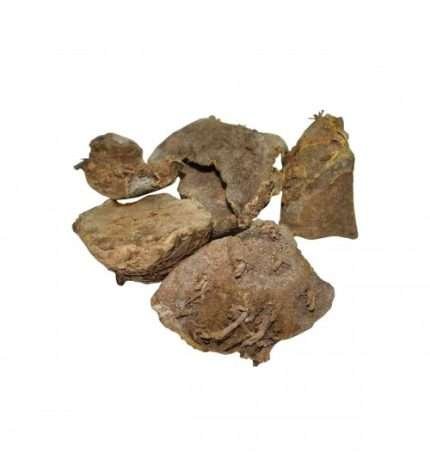
It is a rhizome that resembles ginger but has the aroma of raw mango (Amba Haldi). Derived from the plant Curcuma Amada, for generations it has been used as a staple of South Asian traditional medicine and cuisine
Benefits of Amba Haldi
- Improves Digestion – Amba Haldi stimulates the digestive system and helps relieve indigestion, bloating, and stomach discomfort.
- Reduces Inflammation – Its anti-inflammatory properties are beneficial for joint pain and swelling.
- Great for Skin – Helps cleanse and brighten the skin, and may reduce acne and blemishes.
- Boosts Immunity – Strengthens the body’s natural immune defenses.
- Supports Weight Management – Known to improve metabolism, making it popular among those trying to manage their weight.
- Blood Purifier – Traditionally used to purify the blood and help flush out toxins.
How to Use
Amba Haldi can be used in powder or raw rhizome form:
- Mix the powder with honey or warm water
- Use it to make chutneys or pickles
- Add it to face packs for topical skin application
Q1: What is Amba Haldi used for?
Ana Haldi is mainly used for skin—lightening the skin, suppressing dark spots and pimples, etc. It’s also used for the treatment of digestive tract illnesses, inflammation, and speeding up wound healing.
Q2: What is Amba Haldi also called?
Amba Haldi is popularly known as “mango ginger” since it resembles ginger but has the smell of raw mango. It is also called “wild turmeric” or “white turmeric.” Some regions refer to it as Aam Haldi, Karpura Haldi, and other local names.
Q3: What is the difference between Amba Haldi and regular Haldi?
Fragrance: Amba Haldi has a gentle, mango-like fragrance, while the typical haldi gives out an intense earthy smell
Color: Amba Haldi is pale yellow/cream color on the inside and regular haldi is dark orange-yellow.
The nature of Amba Haldi is cool, while dry turmeric has heating properties
Use: Amba Haldi is primarily for external use, while regular haldi is primarily for internal use and as a food source
Staining: The amount by which Amba Haldi doesn’t stain skin and clothes; the regular haldi leaves a very strong yellow stain
To put it simply, haldi is the spice you use to cook every day, whereas Amba haldi is used mainly for beauty and skin care.
Q4: How can women use Amba Haldi?
Face pack: Mix Amba Haldi powder with honey, milk or curd and apply on the face for 15-20 minutes, and rinse—aids dark spots/acne marks
Ubtan (body pack): Combine with gram flour (besan) and rose water for an old-fashioned skin-lightening package.
For internal consumption: Can take ¼ teaspoon with warm milk or warm water for digestion and overall health.
So it had to be in my skincare routine, right? But the golden rule is always doing a patch test on your hand first before using it on your face for the very first time.
Q5: Can Amba Haldi be used daily?
Face: You can use it 2–3 times a week—if used daily, it can irritate the skin.
You will take the herbs internally—for most things, a small amount (¼ to ½ teaspoon) daily is probably safe, but for chronic or high-dose use, I recommend checking with a Hakeem / doctor first—especially if pregnant or nursing or taking other medication.




Reviews
There are no reviews yet.