SCIENTIFIC NAME: Areca Catechu
COMMON NAMES: Betel Nut, Paan, Paan Gutkha, Pinlang, Pinang, and Supari.
NAME IN URDU: چھالیا, چکنی سپاری
DESCRIPTION:
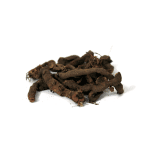
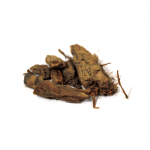
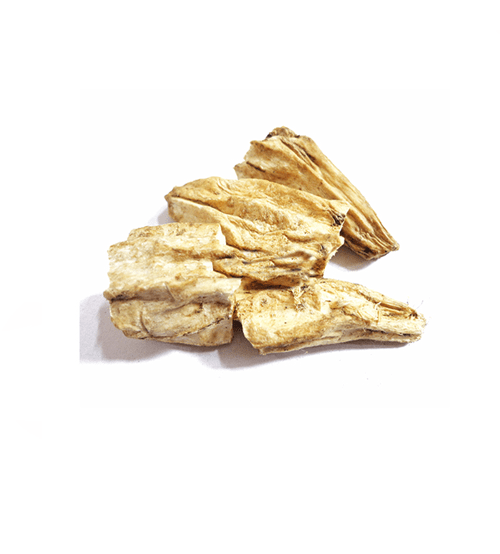
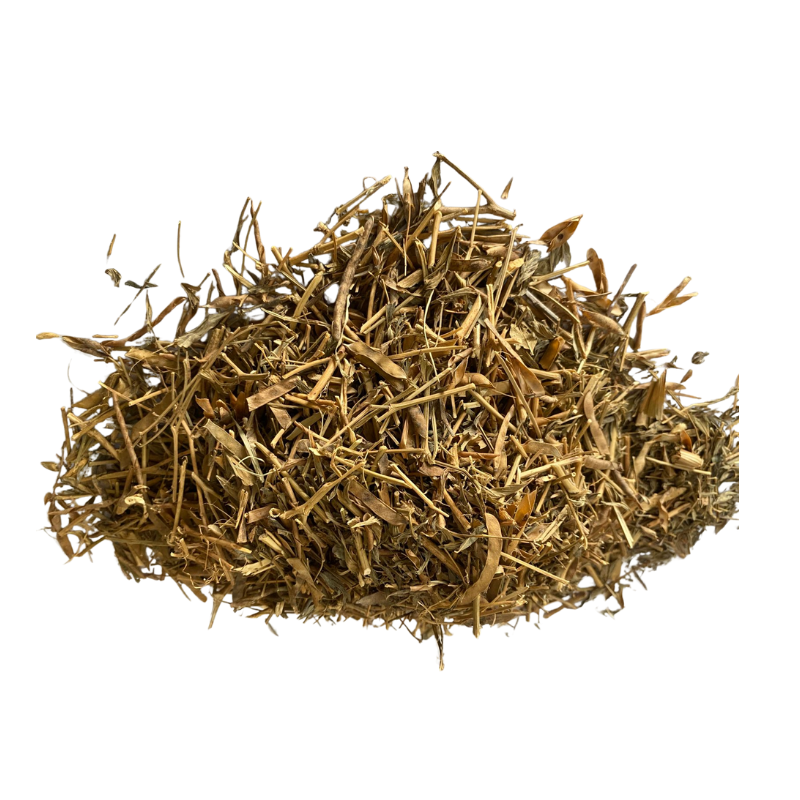
Areca nut, which is also called betel nut, is the germ of the areca palm. It is mostly grown in Bangladesh, Japan, Sri Lanka, South China, the East Indies, the Philippines, and areas of Africa. This herb is used fresh, boiled, crushed, baked, or in roasted form. Areca contains tannin and gallic acid, terpineol, lignin, and numerous saline substances. It also includes three main alkaloids: arecoline, arecaidine, and guvacine, all of which are full of vasoconstricting properties.
There are many pros of using areca nut; also, there are some cons of using it as well. It is recommended to use it in minimum quantity for the safe side.
HEALTH BENEFITS:
· It is use for the treatment of mouth cancer
· Helps in stroke recovery
· It prevents cavity issues
· It also uses to relief dry mouth
· It also used for schizophrenia.
· It contains a lot of energy
How to Use
Chaliya is traditionally cut into small pieces or ground and mixed with paan or mukhwas blends. There’s no standardized “safe dosage” for this product—so I’m intentionally not giving specific quantity/frequency instructions, since regular or heavy use significantly increases health risk.
Storage: Keep in an airtight container, in a cool, dry place, away from moisture.
FAQs
Q1: What’s the difference between Chikni Supari and Chaliya?
Both are regional/local names for the same product, Areca catechu—Chikni Supari and Chaliya are essentially the same thing.
Q2: Is it 100% natural?
Yes, this is raw, unprocessed areca nut with no additives.
Q3: Is it safe to use daily?
No—medical evidence shows regular/daily chewing significantly raises the risk of oral cancer and other mouth-related diseases. There’s a big difference between occasional traditional use and a regular chewing habit.
Q4: Is it safe for children?
No, it’s not recommended for children or pregnant/breastfeeding women.
Q5: How should it be stored?
In an airtight container, away from direct sunlight, in a dry place.
Q6: Is it used for anything besides paan?
Yes, small amounts appear in some traditional Ayurvedic and cultural preparations, but it shouldn’t be treated as a medicinal supplement.





Reviews
There are no reviews yet.