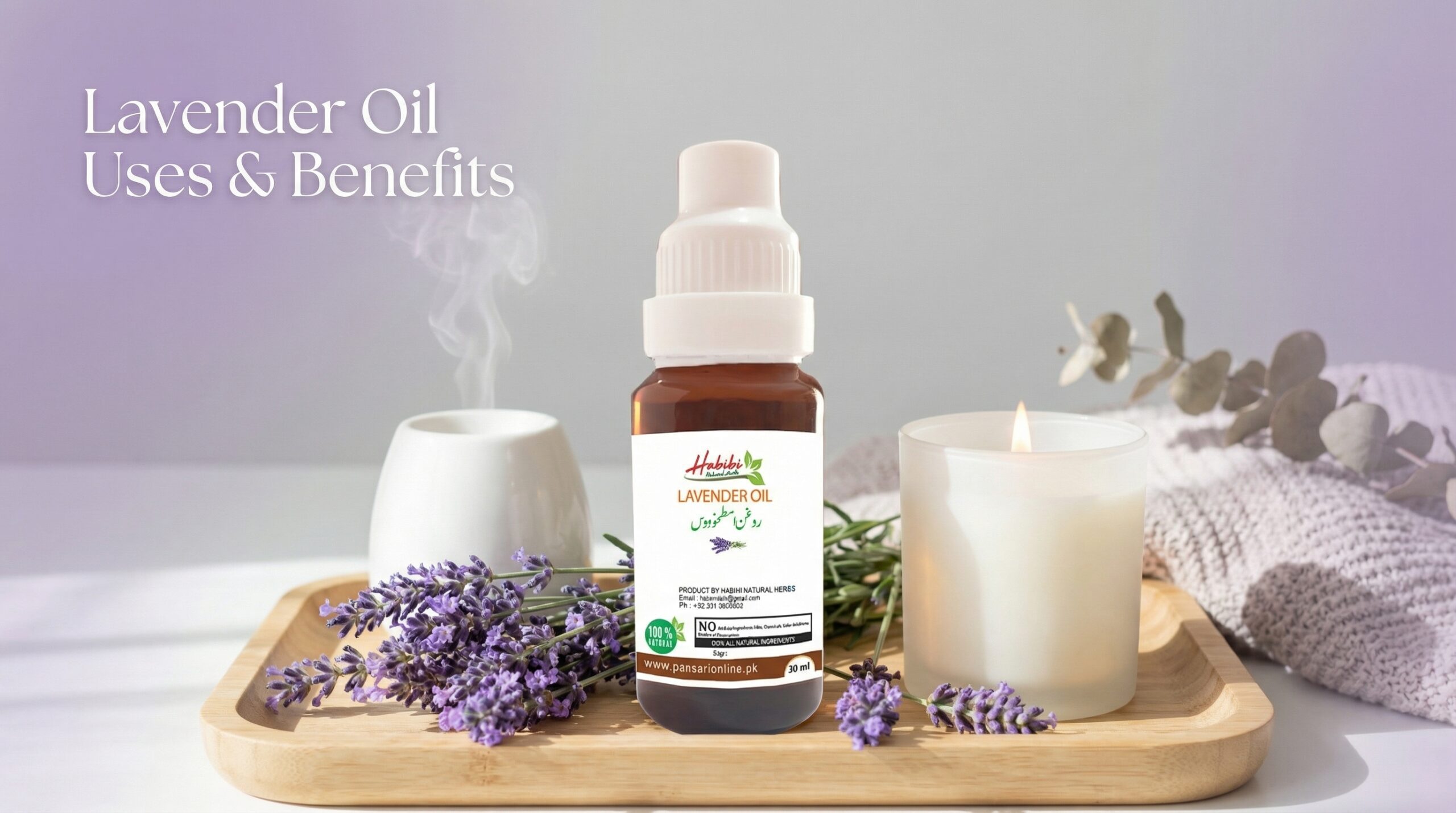
The oil of lavender is now among the top sought-after essential oils used in Pakistan, recognized for its soothing aroma and a variety of health benefits. You may be searching to find “lavender oil in Urdu” (لیوینڈر کا تیل) or are looking for ways to utilize it in your everyday routine. This guide will explain all you should be aware of about the essential oil lavender.
From skin and hair treatment to sleep and relaxation aid, lavender oil provides an organic approach to daily health. We’ll look at what exactly lavender oil is, its traditional history and benefits, its scientifically proven applications, potential adverse consequences, and practical suggestions to safely incorporate it in your daily routine. We’ll also discuss the prices for lavender essential oil in Pakistan, as well as storage guidelines and the best way to select the best products.
What is Lavender Oil?
Lavender oil can be described as a concentrated liquid derived from the flowering of lavender (Lavandula angustifolia) A fragrant herb indigenous to the Mediterranean region. The oil is extracted by steam distillation, which keeps its therapeutic properties and its distinctive floral aroma.
In Urdu, the oil of lavender is known asلیوینڈر تیل (lavender tail). It has become popular across Pakistan due to its relaxing properties. The essential oil is an uncolored or pale yellow liquid that has a sweet, herbal scent that people feel instantly relaxed.
Lavender is part of the mint family and has been used for ages in traditional medicines, aromatherapy, and natural cosmetics. Nowadays, it is accessible in many forms, such as pure essential oils blended with diluted ingredients, as well as infusions. The cost of lavender essential oil in Pakistan generally varies based on the purity, brand, and size of the bottle and bottle size, which means it is accessible to diverse budgets.
Traditional and Therapeutic Profile of Lavender Oil
Lavender has a long history in herbal medicine throughout diverse cultures. The ancient Egyptians utilized it for mummification as well as for perfume, and the Romans included it in baths to relax and heal. The term “lavender” actually comes from the Latin word “lavare,” meaning “to wash.”
The oil is a natural source of compounds such as linalool, linalyl Acetate and camphor, as well as terpenes that contribute to its soothing and skin-friendly properties. These ingredients combine to produce the characteristic effects of the oil on skin, mood, and overall well-being.
In traditional practices of wellness, lavender oil has been praised because of its ability to encourage peace, promote restful sleep, and preserve healthy skin. Modern aromatherapy continues to acknowledge the traditional benefits of lavender, which makes it one of the best researched and extensively used essential oils in the world.
10 Benefits of Lavender Oil
1. May Support Better Sleep Quality
Lavender oil has been traditionally utilized to induce peaceful sleep and to calm the mind before going to bed. The organic compounds of lavender essential oil could assist in creating a calm and peaceful atmosphere, which supports the body’s natural sleep cycle. A lot of people in Pakistan utilize lavender oil to sleep by inhaling it into their bedrooms or by applying a weak version of it on their pillows. Studies suggest that inhaling the lavender scent prior to bed can improve sleep quality, particularly for people who experience periodic restlessness or stress-related sleep disturbances.
2. May help with Stress Relieving and Relaxation
A major and well-known advantage of lavender oils is their ability to reduce stress during the day and create a feeling of peace. The aromatic compounds of lavender essential oil can assist in relieving tension when breathed in through aromatic therapy or sprayed topically (when properly diluted). Relaxation using lavender oil is a popular practice in Pakistan, particularly among those who are looking for a natural way to relax after a hectic day. The relaxing scent of lavender oil can aid in balancing emotions and help create a calm ambience at home or at work.
3. Supports Healthy Skin Appearance
Lavender oil is frequently used in the natural skincare routine because of its gentle, relaxing properties. If properly diluted, it can help keep clean, healthy skin and could be an element of a balanced skin care routine. It is often utilized in homemade face masks, serums, and cleansers. A lot of Pakistani women incorporate lavender essential oil into their beauty routine to improve the appearance and texture of their skin. It’s essential to dilute lavender oil prior to applying it directly to the skin to avoid irritation.
4. May Help Soothe Minor Skin Irritations
In the past, lavender oil was utilized to soothe minor skin problems like bites, scratches, or redness that may occur. Its mild nature is suitable for all types of skin when applied correctly. The natural oils’ properties can assist in supporting the natural healing process. However, it is not recommended to substitute for medical treatment that is needed for wounds or infections that are severe. Always dilute lavender oils with an oil carrier such as almond or coconut oil prior to applying the oil to the affected area.
5. Can Support Hair and Scalp Health
Hair oil containing lavender is increasing in popularity in Pakistan as part of the healthy hair routines. If added to shampoo conditioners, shampoos, or other hair oils, it can aid in maintaining an overall healthy scalp environment and enhance the appearance of hair. A few users add a small amount of lavender essential oil in sesame or coconut oil to massage their scalp, which may be soothing and replenishing. Regular use can help to maintain scalp comfort and help maintain the natural shine of hair. The pleasant aroma of the oil makes hair smell fresh and clean.
6. May Ease Occasional Headaches
Many find that the inhalation of lavender oil or the application (diluted) to the temples could alleviate headaches caused by tension. The relaxing aroma, coupled with a gentle massage, may give relief from occasional headaches. While lavender oil should not replace the advice of a doctor for severe or persistent headaches, it could be a beneficial complement to your overall health toolkit. It is important to apply it as soon as you feel the first symptom of discomfort in a calm, peaceful setting.
7. Supports Respiratory Comfort
Inhaling lavender essential oil via steam or a diffuser can aid in breathing comfort, in particular during the changing seasons. The essential oil’s properties provide a relaxing aromatherapy experience, which many people find beneficial for maintaining a healthy respiratory system. A few people from Pakistan include several drops of it in steaming hot water to inhale steam for their daily fitness routine. This ancient practice can improve breathing and overall relaxation.
8. Can Be Part of Natural Pain Relief Routines
Lavender oil may be utilized in massage blends to alleviate muscle tension and discomfort that occurs after exercise. When mixed with massage oils with carriers and applied to painful regions, it could offer a relaxing, warm sensation. The benefits of aromatherapy during massage may also aid in relaxation, which in turn helps the body’s natural inclination to comfort. This is why massage is so popular among those who prefer natural methods to everyday health.
9. May Help Balance Mood
The soothing aroma that lavender oil has could aid in maintaining emotional equilibrium and improving mood. Aromatherapy with lavender is a part of the traditional wellness routines to manage the emotional turmoil that comes with life. Although it’s not a replacement for professional psychological support, many find the use of lavender oils to help with relaxation can help create a sense of tranquility during stressful days. It’s particularly helpful when you’re practicing yoga, meditation, or a quiet evening routine.
10. Supports Natural Home Freshness
Beyond the personal benefits, Lavender oil makes an excellent natural air freshener as well as a cleaning aid. A few drops of lavender oil in an aerosol bottle, along with water, can scent rooms, linens, and closets with no synthetic scents. It is also used extensively to make DIY cleaners, drawer sachets, or laundry chores. This is what makes essential lavender oil an ideal multi-purpose option for any Pakistani household that wants to minimize the risk of exposure to chemicals and maintain the freshness and comfort of your atmosphere in the home.
Common Uses of Lavender Oil
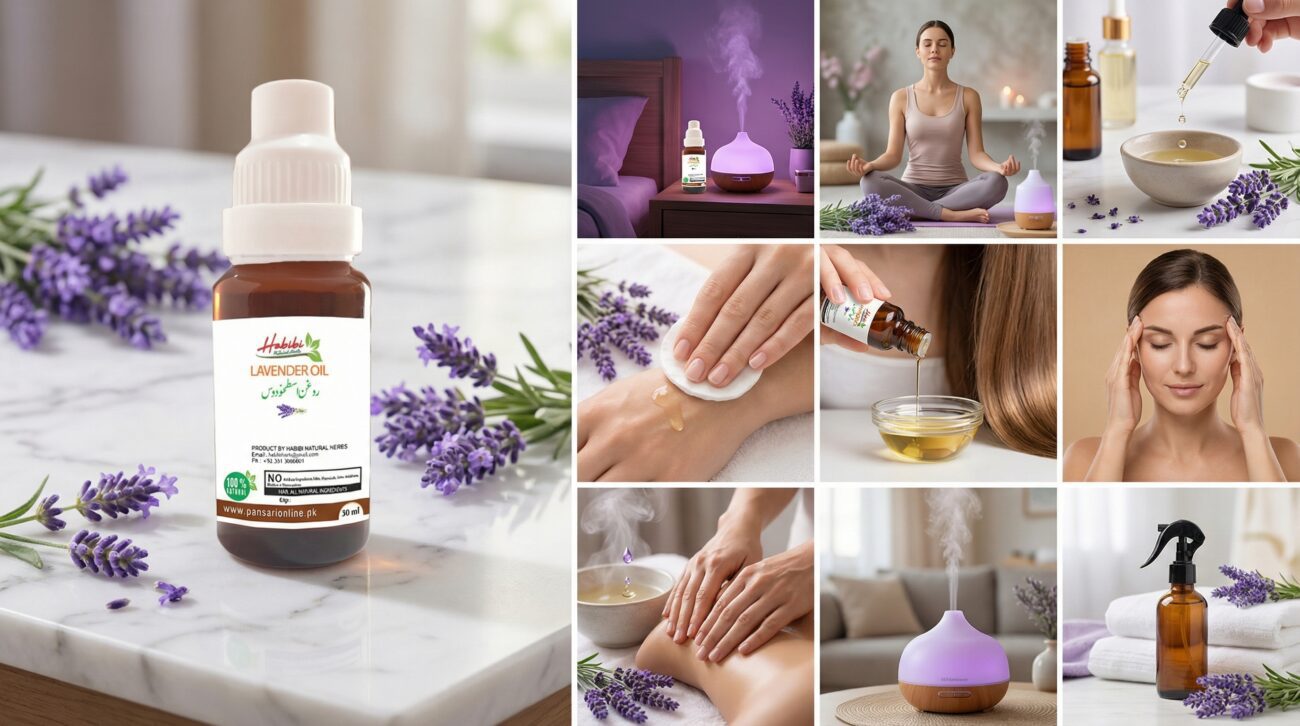
Essential oil of lavender is extremely adaptable, making it a breeze to integrate into different aspects of your daily life. Here are the most commonly used ways that people use lavender oil in Pakistan utilize lavender oil:
Aromatherapy and diffusion: Add three drops of the lavender essential oil into diffusers to create a calm and peaceful ambience at your home. This is among the most well-known methods to use lavender oil to relax and promote restorative sleep.
Treatment for skin: Mix 1-2 drops of essential lavender oil with 1 teaspoon of carrier oil (like jojoba, almond, or coconut oils) and apply the oil to the facial or the body. Do not apply essential oils that are undiluted directly to the skin.
Hair care: Add 2-3 drops to your normal shampoo or mix it in with coconut oil to give a soothing massage to your scalp. This can help maintain a healthy scalp and also add natural shine to your hair.
Bath Ritual Incorporate 5-10 drops mixed with carrier oil, or Epsom salt to your bath water for an unwinding soak that can aid in relieving muscle tension and help promote relaxation.
Sleep Spray for Pillows: Mix lavender oil and water in the spray bottle. Spray lightly on your bedding and pillow prior to going to you go to bed.
Massage Oil: Combine lavender essential oil and carrier oil for a relaxing massage that could aid in the comfort of your muscles and relaxation.
Cleansing with natural ingredients: Use drops in homemade cleaning products for an aroma that is fresh and natural when cleaning floors, counters or bathrooms.
Side Effects of Lavender Oil
Although lavender oil is generally thought to be safe if used in a proper manner, it’s crucial to know about possible adverse effects and to take care when using it.
Skin Sensitivity: Certain people might suffer from mild skin irritation and redness after applying lavender oil topically. Always conduct a patch test before applying it to larger areas. It is important to dilute the oil before applying it. Never use pure essential oils directly on the skin.
Allergic Reactions Though it is not common, there are some people who may be sensitive to lavender. It is evident by hives, rash, trouble breathing, or swelling. Stop using the product immediately when you experience any symptoms of allergy and consult a doctor if you notice any severe.
Hormonal Effects: Some studies suggest that regular usage of lavender oil by prepubescent boys could influence hormone levels. Although more research is required, it’s best to be cautious when it comes to regular use during the infant years.
Digestive Discomfort: Ingestion of essential oils of lavender is not advised without the guidance of a professional. If it is swallowed accidentally, it can result in nausea, vomiting, and stomach upset.
Drowsiness: The oil of lavender is a relaxing oil, taking it prior to activities that require focus (like driving) could result in excessive drowsiness for some individuals.
Drug interactions: The herb may react with certain drugs, including sedatives and central nervous system depressants. Speak with a physician when you’re taking any medication.
Disclaimer: Information provided is meant to be used for educational purposes only. Lavender oil is not designed to treat, diagnose or prevent any illness. Always consult a licensed health professional prior to applying essential oils, especially in the case of medical conditions.
How to Use Lavender Oil Safely
Learning how to properly use lavender oil will ensure you reap the maximum benefits while minimizing the risk. This is a helpful guideline:
To use aromatherapy: Use 3-5 drops in a diffuser along with water. For 30-60 minutes at a stretch, particularly in the evening, to help relax or prior to bedtime for restorative sleep.
For Skin Application: Always dilute lavender essential oil prior to applying it topically. The rule of thumb is 2 drops of essential oils for every one tablespoon (15ml) of carrier oil. The best carrier oils are coconut or almond oil, jojoba, or sesame oil.
How to dilute lavender oil: For use on the face, try to achieve 11% of dissolution (1 drop of essential oil for each one teaspoon carrier oil). For use on the body, it is recommended to use a dilution of 2-3%. is sufficient (2-3 drops of essential oil per tablespoon).
For Haircare: Add 2-4 drops to one tablespoon of carrier oil to provide a massage on your scalp. You can also put 2-3 drops into your usual shampoo in your palm prior to washing.
To Sleep: Apply diluted lavender oil on the soles of your wrists, feet, or behind your ears 30 minutes prior to the time you go to bed. You can also diffuse it in your bedroom or apply a spray to use as a pillow.
The Patch Test: Prior to applying lavender oils on the skin, do the test of a patch. Place a tiny amount of diluted oil on your inner arm, then wait for 24 hours to see if there are any reactions.
Storage: Conserve lavender essential oils in an opaque glass bottle far from direct heat and sunlight. Store it in a cool and dry location and keep it shut to keep the potency.
Who Should Avoid Lavender Oil / Precautions
Although the lavender essential oil is generally safe for the majority of people, some groups of people should take extra care or stay clear of using it:
Pregnant and breastfeeding Women: Limited research is available on the safety of lavender oil during breastfeeding and pregnancy. It is best to talk to your doctor prior to applying essential oils during this period of time.
Children and young Children: Avoid using essential oils on infants under 3 months. When it comes to older kids, only use very diluted versions and seek advice from a physician prior to use. There are concerns regarding hormone effects in boys who are young using regular doses.
People with sensitive skin: Those with eczema or psoriasis, as well as very sensitive skin, should apply lavender oil in moderation and thoroughly diluted. Begin with a patch test first.
People taking Medications: If you take sleeping pills, sedatives, or blood pressure medications or any other central nervous system depressants, speak to your physician before using lavender oil regularly.
Prior to Surgery: Do not use lavender oils for at most 2 weeks before the scheduled surgery date, since it could alter the nervous system of the central nerves, and could interact with anesthesia.
People with Allergies: If you’re allergic to other mint plants within the family, or you’ve experienced reactions to scents, you should be cautious when you approach lavender oil.
Always buy from trusted sources. Do not consume essential oils without a professional’s guidance, and stop using them in the event of an adverse reaction. If in doubt, seek out a licensed health expert or certified aromatherapist.
Buying and Storage Tips for Lavender Oil
Selecting a high-quality lavender essential oil is sure to have the highest quality positive effects and value for the budget. Here’s what you should look for when buying in Pakistan:
Verify the purity: Look for bottles that say “100% pure essential oil” or “therapeutic grade.” Beware of products that contain the addition of fragrances, fillers or artificial ingredients. Pure lavender oil should be listed as “Lavandula angustifolia” as the botanical name.
Dark Glass Bottles: Quality lavender oil is sold in blue or dark amber glass bottles that protect the oil from degradation by light. Do not store oils that are stored in clear plastic containers.
Price Beware: While lavender essential oil’s price in Pakistan differs, very cheap choices could be indicative of low quality or dilution. Pure essential oil that is pure typically more expensive because of the extraction process. Find the cost of lavender oil in Pakistan among reliable sellers to discover reasonable alternatives.
The smell test: The pure lavender scent has a floral, sweet, herbal scent. If it’s too floral or chemical-like, or strong, it may not be authentic.
The Check Expiry Date is: Essential oils have an expiry date. Lavender oil usually lasts for 2 to 3 years when properly stored. Be sure to verify the manufacturer or expiry date before purchasing.
Buy from trusted sources: Purchase from reputable sellers such as PansariOnline.pk, which specializes in natural products. They can verify the authenticity of products. Review reviews and check the reputation of sellers.
Storage guidelines: Keep your essential lavender oil stored in a dark, cool space away from direct sunlight, humidity, and heat. Close the cap tightly to avoid burning. Refrigeration can prolong shelf life, but it’s not required.
Beware of contamination: Never touch the dropper with skin or other surfaces. This ensures that the oil is pure and increases its usability.
By following these suggestions follow these steps, you will ensure that your lavender oil is kept in good quality, effectiveness, and potency throughout its shelf-life.
The oil of lavender is recognized as among the top adaptable and well-loved essential oils in the Pakistani community of natural health and wellness. From aiding in sleep and stress relief to promoting healthy hair and skin, lavender essential oil has many benefits that are practical for daily life. Learning how to utilize lavender oil safely – by ensuring appropriate dilution as well as patch testing and adhering to the usage guidelines, you can get the most benefits while limiting possible adverse effects.
If you’re looking into lavender oil to relax or make it part of your daily skincare routine, or just looking to refresh your home with natural ingredients, this mild essential oil is beneficial to add to your arsenal of wellness tools. Be sure to select a high-quality product that is stored properly and seek out medical advice whenever needed, particularly in case you’re pregnant or on medication, or taking it with children.
Its pleasant scent, along with its traditional roots and contemporary applications, lavender essential oil is an essential natural cure for Pakistanis looking for gentle, effective wellbeing solutions.
10 Frequently Asked Questions (FAQs)
1. What is the meaning of lavender oil in Urdu?
The lavender oil used in Urdu is known as “لیوینڈر تیل” (روغن اسطوخودوس). It’s a vital oil extracted from the lavender flower and is extensively utilized for aromatherapy, skin care, and relaxation in Pakistan.
2. What is the best way to use lavender oil to help me sleep?
To help you sleep better, inhale 3 to 5 drops of essential lavender oil in your bedroom 30 minutes prior to going to bed. You can also apply lavender oil diluted on the wrists of your temples or on the bottom of your foot. It is also possible to make a spray for pillows using a couple of drops of lavender oil with water.
3. Do I need to put lavender oil directly on my skin?
The lavender essential oil shouldn’t be applied directly on the skin without dilution. Mix 1-2 drops of lavender essential oil with some carrier oil, such as almond or coconut oil, prior to applying the oil topically. This helps prevent skin irritation and sensitivities.
4. What is the cost of essential lavender in Pakistan?
The cost of lavender oil in Pakistan depends on the quality, brand, and bottle size. A typical 10ml bottle with pure essential lavender oil can range from PKR 500 to 2000. Therapeutic-grade oils of higher quality may be more expensive.
5. Is lavender oil safe during pregnancy?
Women who are pregnant should speak with their physician prior to making use of lavender oil. Although generally regarded as gentle, there aren’t many studies on the safety of essential oils during pregnancy, and therefore, expert guidance is advised.
6. How can I make my own lavender oil?
To make your own lavender oil, it is possible to make the oil in a liqueur (not the pure essential oil). Fill the container with dried lavender flowers, cover with a carrier oil such as coconut or olive oil, seal, and then let it infuse in the sun for 2 to 4 weeks, alternating shaking every day. Strain the mixture and store it in an opaque bottle.
7. Does lavender oil aid in reducing stress and anxiety?
Lavender oil can aid in stress relief and encourage relaxation when it is used in aromatherapy. Although it’s not a medical treatment for anxiety-related disorders Many people appreciate its soothing scent in reducing stress and creating calm moments.
8. What are the possible side consequences of making use of the lavender essential oil?
Potential side effects include skin irritability (if not diluted properly), allergic reactions among sensitive people, as well as hormonal changes that may occur with an excessive dosage in young boys, and sleepiness. Make sure to dilute the dosage and stop using it in the event of an adverse reaction.
9. How long will essential lavender oil last?
If properly stored in a cool, dark, sealed glass bottle, lavender essential oil usually lasts about 2 years. The signs that the oil has expired are a change in scent, cloudiness, or a more dense consistency.
10. What can I do with lavender oil to increase the growth of my hair?
Although lavender oil does not directly promote growing hair in the first place, lavender oil can help to improve scalp health and create an environment that is healthy for hair. Mix a few drops into a carrier oil to aid in massages on the scalp, which helps boost circulation and keep general scalp health and hair growth.