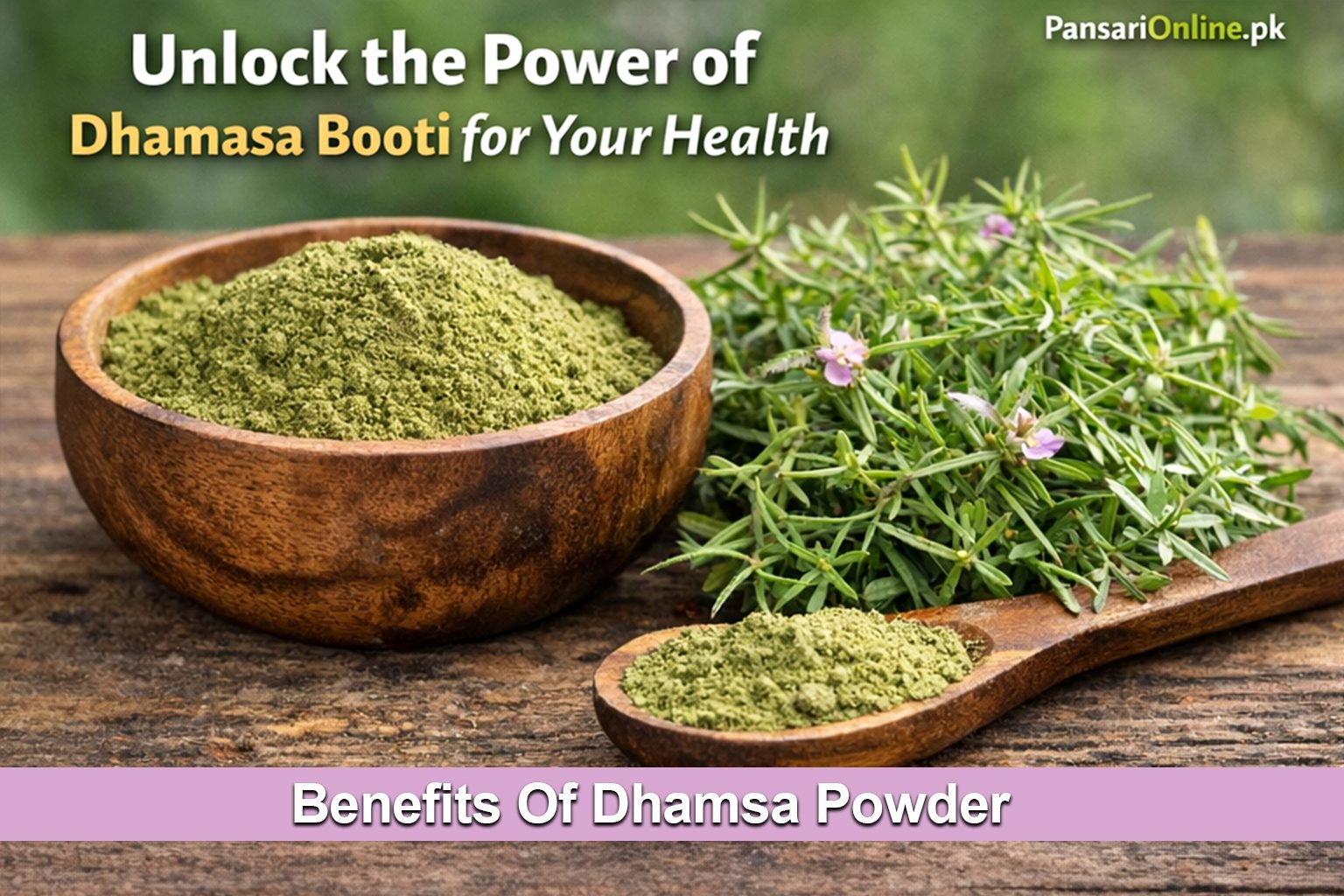
If you’re looking for an organic cure that’s been relied upon over generations throughout Pakistan, Dhamasa Booti might be just what you’re looking for. This simple desert plant, often referred to by its name of Fagonia as well as Dhamasa powder, when crushed, is now recognized as a potent herbal remedy to promote overall health. From traditional healing techniques to contemporary fitness routines, people throughout the nation continue to depend on this plant’s extraordinary health-promoting properties.
The country of Pakistan, Dhamasa Booti, is frequently searched for with terms like “dhamasa booti benefits in Urdu (دھماسہ بوٹی)or ‘dhamasa benefits’ since many people are trying to know how this health-promoting herb can be integrated into their routines. If you’re suffering from symptoms of seasonal discomfort, want to boost your immune system, or are simply looking to improve your health with herbal remedies, this guide will take you through all the information you need to know.
At the end of this post, you’ll be able to understand the reasons why Dhamasa is unique and how you can use it without risk, the benefits it could bring, and the practical ways of including it in your daily routine. Let’s look into this ancient remedy together.
What is Dhamasa Booti?
Dhamasa Booti can be described as a tiny plant with a thorny stem that can be found naturally in desert regions of Pakistan as well as other regions in South Asia. It is scientifically referred to by the scientific name of Fagonia cretica, or Fagonia arabica, and is part of the Zygophyllaceae species. Locally, it has various names, including Dhamasa, Dhamaan, and Azghak.
The hardy plant thrives in the harsh desert conditions, where only a few plants are able to survive. It is usually found in proximity to the ground and has broad branches that are covered with small spines and tiny pink or purple flowers. The whole plant – including leaves, stems, and flowers – is utilized in traditional medicine.
In herbal medicine stores and online shops like PansariOnline.pk You’ll typically discover Dhamasa offered in two major forms: dried herb in its whole form (Dhamasa Booti) and the ground powder (Dhamasa powder). Both of these forms preserve the properties of the plant’s nature and are suitable for different preparation techniques.
This plant was a part of traditional healing methods for many centuries. Traditional healers and Hakims have long advocated it to help support our body’s inherent defenses and improve overall health. The popularity of it continues to grow as people look for natural options to maintain their well-being.
Traditional Profile of Dhamasa
Traditional medicine systems use Dhamasa, which is regarded as a unique blend of natural substances. Although it hasn’t been so extensively researched as modern drugs, traditional healers acknowledge its benefits as it contains alkaloids, saponins, flavonoids, and other phytochemicals.
Based on Unani and the traditional wisdom of healing, Dhamasa is considered a cooling herb. This implies that it can help to regulate the body’s internal temperature. This is the reason it’s commonly recommended during the summer months or when one feels tired. Traditional healers consider it to be a blood purifier, as well as a general wellness aid.
The herb is very loved in the rural areas of Pakistan, where it is a wild plant. It is commonplace to take it from the desert, then dry it in the shade, then store it for use all year long. This ancient knowledge has been handed down through generations, which makes Dhamasa an essential household remedy in a lot of Pakistani families.
10 Potential Benefits of Dhamasa Booti
While further research is required, Dhamasa has been traditionally used to help with various areas of well-being. Here are 10 ways this natural remedy could benefit your overall wellness routine:
1. May Support Immune System Function
Dhamasa Booti is a popular remedy in Pakistan to aid in boosting the body’s own defense mechanisms. Traditional practitioners believe that consistent use can boost immunity, especially during seasonal changes, when people are more likely to feel ill. The natural ingredients that are found in Fagonia are believed to be able to assist the body’s defense mechanisms. A lot of people integrate Dhamasa into their daily routine to prevent illness, particularly during winter.
2. Traditionally Used for Digestive Comfort
In traditional treatment, Dhamasa has been used to aid digestion. Those who suffer from occasional stomach discomfort might feel that the consumption of Dhamasa tea will help promote a feeling of digestive ease. It is believed that the herb can have a mild, soothing effect on the stomach. It could help relieve occasional discomfort or bloating. Hakims frequently recommend it as part of a healthy digestion routine, especially in the morning or at mealtimes.
3. May Help Maintain Healthy Skin
The benefits of Fagonia’s powder could be extended to the skin, too. Traditional usage includes both external consumption and internal application to treat skin issues. A few people make an oil from Dhamasa powder before applying the powder to their skin, and others drink it frequently, believing that it can help promote glowing, healthy skin from the inside. Its classification as a purifier of blood is one of the reasons it’s associated with the health of your skin in traditional medical practices.
4. Commonly Used for Liver Support
The most widely-known traditional applications of Dhamasa are to improve the health of the liver. Traditional medicine suggests that the liver is regarded as vital to overall health, and Dhamasa is often recommended as a calming herb for the vital organ. Anyone looking for natural solutions to improve their liver health frequently opts for Dhamasa in conjunction with living a healthy life. It’s usually used along with an appropriate diet and drinking habits to get the most effective results.
5. May Help Promote Healthy Fluid Balance
Dhamasa Booti is often employed to aid in maintaining the body’s fluid balance. Traditional practitioners believe that it could aid in occasional water retention and help maintain kidney health. This makes it a preferred option for those who want to keep their body in a natural balance, in particular when paired with a sufficient intake of water. The herb is believed to be gentle and not cause adverse effects on the body.
6. Traditionally Used for Blood Sugar Wellness
In traditional treatment, Dhamasa has been used as part of a routine designed to support good blood sugar levels. Although it is not meant to replace the need for medical treatment or prescription drugs Some people integrate it into their daily routine as a supplement to. Traditional healers typically suggest it in conjunction with diet changes and lifestyle modifications. People with concerns regarding blood sugar must always talk to their healthcare physician prior to using herbal supplements.
7. May Support Respiratory Comfort
In the course of seasonal changes, a lot of people from Pakistan are able to turn to Dhamasa to help with respiratory issues. It is widely used to aid in maintaining healthy breathing and strengthening the respiratory system. Many drink Dhamasa tea and honey in the event of seasonal discomfort and find it relaxing and relaxing. The warm liquid and the herb’s natural properties could aid in promoting a feeling of calm and relaxation in the air.
8. Commonly Used for General Wellness
Beyond the specific use, Dhamasa is valued as a general wellness booster. A lot of people in Pakistan consume Dhamasa tea on a regular basis, like how other people may consume green tea or any other infusions of herbs. It is considered to be a mild, nutritious, and nourishing herb that could be included in a regular regimen for health. Drinking teas made from herbs like Dhamasa is deeply embedded in Pakistani culture and is regarded as an easy way to maintain your health in a natural way.
9. May Help Support Joint Comfort
Traditional medicine may recommend Dhamasa for those who want to keep their joints healthy and comfortable. joints. While research in the field isn’t extensive, it has been used to aid in this goal for several years. Certain older adults include it in their routines as a method to improve their mobility and ease as they get older. It’s typically used as a part of a larger plan that incorporates gentle exercise as well as eating a balanced diet.
10. Traditionally Used for Energy and Vitality
Finally, Dhamasa has a reputation in traditional medicine for being a tonic herb that can help boost natural energy levels. People who are feeling tired may take it to regain their energy levels. This isn’t a stimulant, like caffeine, but it’s believed to work slowly to aid our body’s own energy generation. Many are reported to feel more balanced and rejuvenated after incorporating Dhamasa as part of their daily fitness routine.
Common Uses of Dhamasa Booti
Dhamasa is a potent plant that is able to be integrated into your diet in many ways. The most popular method is to prepare Dhamasa tea. In this method, you make a tea by steeping the dried herb or powder in hot water for 10 to 15 minutes, then strain it and drink it hot. Many people will add a bit of lemon or honey for flavor.
Some individuals prefer to take Dhamasa powder in combination with juice or water. A tiny spoonful of the powder can be mixed into an ice-cold glass of water and taken with a full stomach early in the day. It is a simple and efficient way to incorporate it into your daily routine.
To apply the skin, it is possible to make a paste created through mixing Dhamasa powder with a small amount of rose water or water. The paste is often applied to the skin for about 15 minutes prior to washing away. Always apply a small test patch first to determine if there is any sensitivity.
In traditional health practices, Dhamasa can be mixed with other herbs such as turmeric, neem, or aloe vera to make herbal blends. These blends are believed to boost the overall effects. However, if you’re brand new to herbal remedies, it’s advisable to begin with Dhamasa on its own before exploring combinations.
Possible Side Effects of Dhamasa Booti
Dhamasa is generally regarded as safe if used in moderate quantities, but as with all herbal remedies, there are risks of causing unwanted adverse effects for some individuals. Most commonly, the problem is stomach pain, especially when used in large amounts. Certain people might have mild nausea, an upset stomach, or loose stools after first beginning to take the herb.
Allergies are uncommon, but they are possible. If you notice itchiness or swelling, a rash, or breathing difficulties after taking Dhamasa Stop using it right away and immediately seek medical assistance. Patients with allergies to plants belonging to the Zygophyllaceae family are advised to be careful.
Since Dhamasa can alter the levels of blood sugar, individuals with diabetes or taking blood sugar medication should monitor their levels carefully and talk to their physician before taking it regularly. The herb may be able to interact with certain medicines, which is why it’s crucial to inform your doctor regarding any herbal supplements you’re taking.
This information is intended for general knowledge only and should not be used to replace the advice of a qualified medical professional. If you notice any unusual symptoms while taking Dhamasa, consult a certified medical expert.
How to Use Dhamasa Booti
The most well-known method to make use of Dhamasa is to make a drink or a decoction. To make it, use around one or 2 teaspoons of dried Dhamasa herb or 1 tablespoon of Dhamasa powder and mix it into two cups of boiling water. Let the liquid come to the point of boiling, then lower the temperature and let it simmer for about 10 minutes. Then strain the liquid and allow it to cool before drinking. Consume it at least twice a day, most preferably with a full stomach in the morning, or in the evening before going to bed.
If you’re making use of Dhamasa powder, you can mix half to one teaspoon of it in one glass of room temperature or warm water, and drink it. Some prefer taking it with juice or milk in case they find the flavor to be too bitter. Begin with a small amount to determine what your body’s response is before increasing the dosage.
To use externally on the skin, create an extremely dense paste by mixing Dhamasa powder in sufficient water until it forms an easily smooth consistency. Apply the paste to clean skin, let it sit for about 15 minutes before washing off with water that is lukewarm. This can be done every once in a while or twice per week.
Timing is not as important as coherence. Pick a time that is suitable with your schedule and stick to it. Many prefer to drink it in the morning to boost their energy levels, and others prefer it to be relaxing prior to going to bed. Pay attention to your body and alter your routine to suit your needs.
Who Should Avoid Dhamasa Booti or Use Caution
Women who are pregnant or breastfeeding should stay clear of Dhamasa unless it is specifically recommended by a licensed medical specialist. There’s not enough evidence on the safety of Dhamasa during pregnancy and lactation; it’s best to be vigilant during these crucial periods.
Children under the age of 12 should be advised not to use Dhamasa without supervision from a medical professional. The proper dosage and safety of Dhamasa for children hasn’t been established, and therefore, it is recommended to talk with a pediatrician or knowledgeable herbalist prior to giving it to children.
Patients suffering from medical conditions, such as kidney disease, liver disease and diabetes ailments, should consult their physician prior to using Dhamasa. Although the herb is typically utilized to help support organs, each person’s situation is unique, and professional guidance is essential.
If you’re taking prescribed medications, consult your doctor prior to including Dhamasa in your regimen. Herbs can interact with medicines in a variety of ways. Your physician can assist you in utilizing them with caution in conjunction with traditional treatments.
Buying and Storage Tips for Dhamasa
When buying Dhamasa Booti, it is important to consider the quality. Choose dried herbs with a greenish-brown hue and an earthy, fresh scent. Avoid products that appear smudgey or smelly, or that possess an unpleasant odor. For Dhamasa powder, it must be smooth and have an even color, and there must be no lumps or clumps.
Purchase from trusted suppliers that are experts in herbal remedies. Online stores such as PansariOnline.pk have tested and certified herbs that are of high quality. They also frequently provide information on sourcing and freshness. Find the dhamasa price for different vendors; however, don’t sacrifice quality to get a lower price. Fresh, well-preserved herbs that are well-preserved will yield better results.
Keep Dhamasa in a sealed airtight container free of intense sunlight, heat, and moisture. A dark, cool cupboard or pantry is ideal. When properly stored, dried Dhamasa retains its properties for up to six months or more. The powder form could be slightly shorter time frame of about six months.
Be sure to check your Dhamasa frequently for indications of mold, moisture, or insect infestations. If you find any of these, you should discard the item. Fresh batch will always work better than older, degraded herbs, so avoid stocking a large amount at one time unless you are using it frequently.
Conclusion
Dhamasa Booti is an ancient herbal remedy that has been used by Pakistani families for generations. If you’re looking for its traditional applications to support your immune system, digestion, and liver health, or general health, this natural remedy provides an easy way to aid your journey to health.
Keep in mind that herbal remedies are best when used as part of an holistic approach to health. Combine Dhamasa along with a balanced diet, regular exercise, regular sleep, and stress management for the most effective outcomes. Although Fagonia has been utilized traditionally to treat a variety of ailments, it’s not a cure-all, and patience and perseverance are the key to success.
If you’re looking to experience the benefits of Dhamasa Booti Start with a small amount, be aware of the way your body reacts, and think about consulting a medical expert if you have questions. The journey to health and wellness is a long one that takes time, and Dhamasa is a great guide throughout the process.
Frequently Asked Questions (FAQs)
1. What’s the purpose of Dhamasa powder?
Dhamasa powder is typically used in the making of herbal teas or blended with water to drink daily. It is traditionally used to boost immunity, boost digestive well-being, support liver health, and aid in overall health. It is also used externally to make a paste for applications on the skin.
2. What is the most common name of the Dhamasa plant?
The names that are commonly used for Dhamasa are Dhamasa Booti, Dhamaan, and Azghak in Pakistan. The scientific name for it is Fagonia cretica or Fagonia arabica. In some areas, it’s known as Fagonia, also known as desert plants.
3. What is the practice of Dhamasa?
Dhamasa is a tiny, thorny plant that is cultivated in a prostrate or spreading habit, which means it is closer to the earth, with branches that spread outward. It’s a tough desert plant that can withstand dry, desert conditions and usually has tiny flowers of pink or purple.
4. What is the substance Fagonia is being used to treat?
Traditional medicine uses Fagonia (Dhamasa), which can be utilized to improve immunity, boost digestive health, improve liver function, maintain good blood sugar levels, and improve respiratory health. It is also utilized as a general wellness supplement and to improve skin health. But, it’s important to use it in conjunction with and not substitute for the medical treatments.
5. How do I take how much Dhamasa do I need to take each day?
The typical quantity is between one and two teaspoons dried Dhamasa or a half to one teaspoon per day, typically taken in tea. Begin with small amounts and increase them as needed. It is recommended to speak with an expert medical professional or herbalist to get individual dosage recommendations based upon your individual needs.
6. Do I have to take Dhamasa on an empty?
A lot of people like to drink Dhamasa tea, or even powder, on an empty stomach early in the morning to ensure more absorption. However, if you feel stomach pain then you may take it after eating or before meals instead. Be aware of your body and adjust the timing according to the way you feel.
7. Do you think Dhamasa has any flavor?
Dhamasa is a natural, earthy, and bitter taste. A lot of people add lemon, honey, or even a little cinnamon to give it a more pleasant taste. It can be mixed with milk or juice in case you feel the flavor is too strong by itself.
8. How long will it take to see the results from Dhamasa?
The results vary between individuals. Certain people notice a change regarding their level of energy and digestion within a few days or weeks, and others might require some time to use the remedy consistently. Herbal remedies generally work slowly and gradually; perseverance and regular use are crucial for optimal results.
9. Can Dhamasa be combined with different herbs?
Dhamasa is indeed a good combination with herb combinations that work, like turmeric, neem, or the tulsi (holy basil). If you’re unfamiliar with herbal treatments, you should start by using Dhamasa on its own first. If you’re looking to create herbal blends, talk to an experienced herbalist to make sure the blends are safe and effective for your particular requirements.
10. Where can I get real Dhamasa within Pakistan?
You can purchase authentic Dhamasa from trusted herbal shops and local pansari stores or from trusted online retailers like PansariOnline.pk. If you purchase online, make sure to read the reviews of customers and product descriptions to ensure the quality of the product. Be sure to look for sellers who offer details on sourcing and storage to ensure you’re receiving authentic, fresh Dhamasa Booti.