The following is a brief introduction to the topic:
Nothing beats a slice of chilled watermelon when summer comes to Pakistan. For generations, families have enjoyed this sweet, juicy fruit, especially on hot, humid days. Watermelon offers more than just a way to cool down.
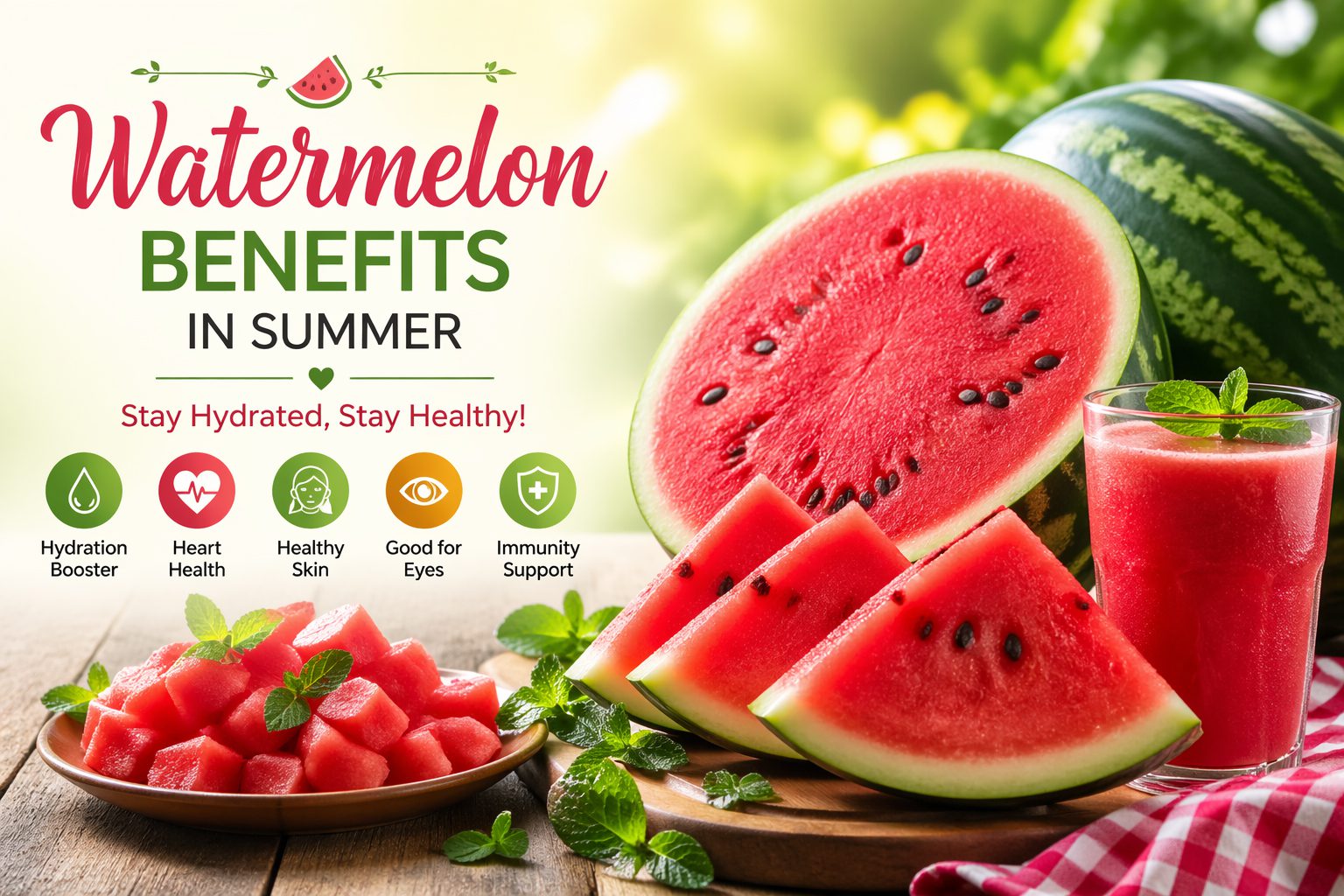
Watermelon, also known as the “king of summer fruit”, offers a wide range of health benefits along with its delicious taste. This fruit is packed with nutrition, despite its 92% water content. It helps to keep your body hydrated and supports heart health.
This article will explore all you need to learn about watermelon. Discover its nutritional profile, the different types of watermelon available on the market, health benefits that have been proven, and practical storage and choosing tips. This guide will help you improve your diet or enjoy summer fruits in a more mindful way.
What is watermelon?
The watermelon has a large oval shape with a green, thick rind. Its flesh is red or pink and has a juicy texture. This fruit is scientifically known as Citrullus Lanatus and belongs to the Cucurbitaceae, which includes cucumbers.
Watermelon is a fruit that originated in Africa and has been grown for thousands of years. Watermelon is a favorite in many countries, especially those with warm climates. Watermelon is a popular fruit in Pakistan’s hot summers. You can find them there from May to August.
Watermelon’s natural sweetness, its refreshing texture, and its ability to quench your thirst are the main reasons for its popularity. Watermelon is also easy to prepare. Just cut it and eat.
Watermelon Nutritional Value
Watermelon is a fruit that contains a lot of water, but it also has valuable nutrients for your health. We’ll look at the nutritional benefits of this fruit.
The following is the amount of watermelon in one cup (150 grams).
Water Content: It contains approximately 92% water. This makes it extremely hydrating
Calories: Only 46 calories, which is very low
Carbohydrates: Around 11 grams, mostly natural sugars
Fiber: About 0.6 grams, supporting digestive health
Vitamin A: Supports eye and immune health
Vitamin C – An antioxidant that boosts immunity
Potassium: Helps maintain healthy blood pressure
Magnesium: Supports nerve and muscle function
Lycopene – A powerful antioxidant that gives watermelon its color
Citrulline An amino acid that can benefit circulation and muscle recovery
The nutritional profile of watermelon shows it’s not just water. It contains essential vitamins, minerals, and beneficial plant compounds to support overall health.
Watermelon comes in many varieties.
Watermelons are not all the same. You can find the following main varieties:
Watermelon with seeds
This is the classic variety, with black seeds scattered across the red flesh. Some people prefer watermelons with seeds, as they claim that the taste is sweeter and more natural. The seeds can be eaten and even roasted to make a crunchy snack.
Watermelon Seedless
Watermelons without seeds, developed through selective breeding techniques, are becoming increasingly popular. The seeds are small and white, barely visible. They are also completely edible. They are easy to eat, especially for kids.
Mini Watermelon
These smaller watermelons are also called personal watermelons and weigh between 2 and 4 kilograms. These are perfect for individuals or small families who prefer to eat fresh watermelon. They’re just as sweet as the larger varieties.
Yellow Watermelon
Yellow watermelons are less common but have brighter yellow flesh rather than red. The taste is milder and more honey-like than red watermelons. They’re similar in terms of nutrition, but they have less lycopene.
Red Watermelon
Red watermelons are the most popular in Pakistani stores. They have vibrant red flesh. The lycopene in them gives the watermelons their vibrant color. They also provide antioxidant benefits.
Watermelon Health Benefits
Let’s now explore the health benefits of watermelon.
1. The Body is hydrated.
It is important to stay hydrated, especially in Pakistan’s extreme summer heat. Watermelon is a great hydration food because it contains 92% water.
You’re getting more than just water when you eat a watermelon. It contains electrolytes, like potassium, that can help your body use and retain fluids efficiently. Watermelon is especially beneficial when you’ve been outside or exercised in hot weather.
Watermelon is more appealing to many people than plain water. This is a tasty way to increase your fluid intake.
2. Heart Health Support
Watermelon is good for your heart. It works hard all the time. Watermelon contains lycopene, an antioxidant with potential cardiovascular benefits.
Lycopene is believed to help lower cholesterol and blood pressure. Watermelon also contains citrulline, which is converted to arginine by your body. This amino acid can help to improve blood flow and reduce arterial rigidity.
Watermelon’s potassium helps regulate blood pressure, which is good for heart health. Watermelon can help support your cardiovascular health by including it in a healthy diet.
3. Healthy Skin Care
Watermelon is a fruit that can help you achieve this goal. Watermelon is rich in vitamin C, which your body requires to produce collagen, a protein that helps keep skin youthful and firm.
Watermelon contains vitamin A, which helps to repair skin cells. It may also reduce acne and inflammation. The high water content in watermelon helps to keep your skin hydrated, which is important for a healthy complexion.
Watermelon’s antioxidants, lycopene in particular, can protect your skin against sun damage. This doesn’t substitute sunscreen, but it does add an extra layer of nutritional support.
4. Eye Health
It is important to maintain good vision at any age. Vitamin A and beta carotene are both essential for eye health.
Vitamin A protects the surface of your eye and helps to improve night vision. Also, it supports the health and function of your conjunctival and corneal membranes. Watermelon, which is rich in vitamin A, may reduce the risk of developing age-related vision problems.
Watermelon lycopene has been studied to see if it can protect the eyes from oxidative damage.
5. Supports Digestion
A healthy digestive system is essential to good health. Watermelon, while not extremely high in fiber content, still contains some that helps support digestive function.
Watermelon is high in water, which helps to keep your digestive system moving. It is important to maintain regular bowel movements and prevent constipation by ensuring that you are properly hydrated.
Watermelon is also easy to digest by most people due to its gentle nature. Even those with sensitive stomachs can tolerate it if they eat reasonable quantities.
6. Weight Loss Helpful
Watermelon is a healthy snack if you are watching your weight. Watermelon is naturally low in calories, with only 46 per cup. It still provides sweetness and satisfaction.
This helps you feel fuller without eating many calories. This can reduce your appetite and the desire to reach for high-calorie snacks.
Watermelon can also satisfy your sugar cravings without the added sugar of processed desserts and sugary drinks.
7. Rich in Antioxidants
Antioxidants protect your cells against damage caused by free radicals. Watermelon contains several antioxidants, including vitamin C, lycopene, and beta-carotene.
Watermelon is rich in lycopene, which gives it its red color. This antioxidant’s potential health benefits have been studied extensively, including its support for heart health and possible reduction of cancer risk.
These antioxidants are combined to fight oxidative stress, which has been linked to chronic disease and aging.
8. Can Help Muscle Recovery
Watermelon may be of particular interest to athletes and fitness enthusiasts who are interested in muscle recovery. Citrulline is an amino acid found in the fruit that could help to reduce muscle pain.
According to some studies, drinking watermelon before exercising could help reduce muscle soreness on the following day. Citrulline can also enhance exercise performance by increasing blood flow and oxygen to muscles.
Watermelon’s natural sugars can help replenish glycogen after an exercise, making it the perfect post-exercise treat.
9. Supports Immunity
A strong immune system can help your body to fight infections and diseases. Watermelon’s Vitamin C content helps to boost immunity.
Vitamin C is important for immunity and aids in the production of white blood cells to fight infection. One cup of watermelon can provide you with a good amount of Vitamin C.
Watermelon’s antioxidants also protect immune cells against oxidative damage.
10. Can Reduce Heat Stress in Summer
Staying cool in Pakistan’s scorching summer heat is a constant struggle. Many cultures have used watermelon as a cooling agent for centuries.
Watermelon’s high water and electrolyte content help replenish the fluids you lose when you sweat. Chilled watermelon can lower your body temperature on hot days and provide instant relief.
Watermelon is a popular summer fruit that helps people feel more energetic and less affected by the extreme heat.
Watermelon has different benefits for different people
Watermelon has unique benefits for people of different ages.
For Men
Watermelon is especially beneficial to men, as the risk of heart disease increases with age. Citrulline, found in watermelon, converts into arginine and may help to maintain healthy blood circulation throughout the body.
Citrulline may be beneficial for men who regularly exercise. Watermelon’s antioxidants also promote overall health.
For Women
Watermelon is rich in nutrients that support skin health and beauty. Vitamins A and C are essential for collagen production and skin health. This is something that many women value.
Watermelon is especially helpful for hydration during periods when the body requires extra fluids. Low-calorie fruit is also in line with the weight loss goals of many women.
Magnesium in watermelon can also help to reduce cramps, muscle tension and period pain.
Children’s Books
Watermelon is a great food for children because of its sweet taste. It is a great source of vitamins and minerals that are essential for growing bodies.
Watermelon is a great source of water, which helps to keep kids hydrated. This is especially important in the summer months when children are playing outside. This is a healthier alternative to sodas with sugar and juices in a can.
Natural sweetness is a great way to satisfy children’s sweet tooth while providing them with nutrition.
The Elderly
Many older adults do not drink enough water. Watermelon is a delicious way to increase fluid consumption.
Watermelon’s potassium is good for the heart and bones, which are important concerns for older adults. Antioxidants in the fruit may help to combat age-related oxidative stress.
Watermelon can be eaten by people with dental problems or who have difficulty chewing other fruits.
Watermelon and weight loss: Is it a good idea?
Watermelon is a popular fruit that many people use to lose weight. The answer, while cautiously positive, is a resounding yes.
Watermelon has a low-calorie content, so you can enjoy a large portion without eating many calories. This volume-to-calorie ratio helps control appetite and lower overall calorie consumption throughout the day.
Watermelon’s high water content can create a feeling that you are full, which could prevent overeating. Watermelon is a natural way to reduce your sugar and calories.
It’s important to keep in mind that watermelon by itself won’t help you lose weight. Watermelon should be a part of a healthy diet that includes regular exercise. It is important to control portion sizes, because eating too much of anything – even healthy foods – can interfere with weight-loss goals.
Is Watermelon a Good Food for Diabetics?
This is an important and common question. Understanding balance and moderation is key to the answer.
Watermelon contains natural sugars, and it has a high glycemic load (GL). Watermelon’s high water content makes its glycemic index (GI) low. A typical serving of a fruit does not cause a significant spike in blood glucose for most people.
Watermelon can be included in the diet of diabetic patients, but it is important to control portion size. Individual responses can vary, but a small serving (about 150 grams or 1 cup) is usually reasonable.
You should:
Slow sugar absorption by eating watermelon with healthy fats or protein
Understand your response to food by monitoring blood sugar levels.
Eat small amounts of fruit throughout the day instead of large quantities at one time
Consult your doctor or dietitian regarding your specific diet needs
Do not base your dietary choices on information that is only general. Working with professionals who know your health condition.
Is Watermelon Safe During Pregnancy?
Watermelon is a safe food for pregnant women to eat as part of their healthy diet. It is a fruit that offers many benefits to pregnant women.
Watermelon’s high water content is important for hydration during pregnancy, when fluid requirements increase. Watermelon sugars can provide you with quick energy to help combat pregnancy fatigue.
Fruits also contain folate, which is essential for fetal growth. The minerals also help to prevent muscle cramps during pregnancy.
Watermelon’s cooling and soothing properties are said to help some pregnant women relieve morning sickness, heartburn, and nausea. Its mild taste is well tolerated even when other foods are causing discomfort.
Moderation is important. A high water content can cause digestive discomfort and frequent bathroom visits. Consult your doctor for specific advice on any pregnancy-related dietary concerns.
Watermelon at its best: When to eat it?
The timing of your watermelon intake can affect how quickly it is processed by your body.
Mid-Morning
Watermelon is best eaten between breakfast and lunch. The natural sugars in watermelon provide energy without the crash you get from eating processed sweets.
Afternoon
Watermelon is also great in the afternoon, particularly during the summer. Watermelon helps you stay hydrated and combats the energy slump that occurs after lunch.
After Exercise
Watermelon is great to eat after exercise. Watermelon’s natural sugars replenish energy while its water content helps rehydrate. Citrulline can also help with muscle recovery.
Considerations for Evening Consumption
Some people avoid eating watermelon after midnight. Watermelon’s high water content can cause frequent bathroom visits that disturb sleep. Some traditional health systems also suggest that the cooling properties of watermelon are best enjoyed during the day.
This varies from person to person. No rule says you can’t eat evening watermelon if it doesn’t cause digestive problems or disrupt your sleep.
How much watermelon should you eat?
Watermelon is a healthy food. But it should be eaten in moderation.
Watermelon, diced into a serving size of 1-2 cups (150 to 300 grams) per day, is a reasonable amount. This provides nutrition benefits without causing digestive discomfort or excessive sugar consumption.
It is recommended that people who are managing their blood sugar stick to the lower limit (1 cup). Athletes and very active people may be able to eat more because of their higher calorie needs.
Watermelon is a good addition to a diet rich in fruits, vegetables, and whole grains. Watermelon, or any other single food, will not provide you with complete nutrition.
Listen to your body. If you notice digestive issues, bloating, or discomfort, reduce your portion size. Everyone’s digestive system responds differently.
Watermelon and its side effects
Watermelon is generally healthy and safe, but excessive consumption can have some negative effects.
Bloating
Watermelon in large quantities can cause abdominal discomfort and bloating. Water and fiber expand in your stomach, creating a feeling of being overly full.
Stomach Discomfort
Watermelon can cause stomach upset, especially if eaten on an empty stomach. If you consume too much watermelon, its natural sugars can overwhelm your digestive system.
Frequent Urination
Watermelon contains 92% water, so eating large quantities of it will increase your urination. This isn’t harmful but it can be annoying, especially late at night.
Excess Sugar Intake
Watermelon is natural but still contains sugar. Watermelon is a natural fruit, but it still contains sugar. It is especially important for those with diabetes or who are trying to lose weight.
Digestive Sensitivity
Watermelon can cause loose stools in people with sensitive digestive systems. Water, natural sugars, and fiber combined in large amounts can cause laxative effects.
Enjoy watermelon in reasonable quantities to avoid these problems.
How to choose a good watermelon
These tips will guide you in selecting a sweet, ripe watermelon.
The Size of the Weight
Take the watermelon. Water and juice will make it feel heavier than its size. It could be that the inside is dried out.
Uniform Shape
Watermelons should have a symmetrical, consistent shape. Uneven growth conditions or poor flavor can be indicated by irregular bumps and lumps.
Creamy Yellow Field Spot
This is the spot where the watermelon rests on the ground. This spot should be buttery or creamy yellow. If the spot is white or pale, it could be that the watermelon has been picked too soon and not fully ripe.
Dull Skin
The rind should be dull or matte, not shiny. Shiny watermelons are likely to be underripe. Watermelons that are ripe have a duller appearance.
Hollow Sound when Tapped
Tap the watermelon with your knuckles. Ripe watermelons produce a hollow, deep sound. Underripe watermelon sounds solider, while overripe ones may sound dull or flat.
Avoid cracks and soft spots
Look for soft spots, cracks, or cuts on the watermelon. They could indicate that the fruit has begun to spoil or is damaged.
You’ll learn to choose the perfect watermelons with practice.
How to store watermelon properly
Watermelon is best stored in a cool, dry place.
Whole Watermelon Storage
Uncut watermelons can be kept at room temperature for about one week in a cool and dry location. Keep away from heat and direct sunlight.
You can store whole watermelons in the refrigerator for up to 2 weeks. Many people prefer the taste of watermelons at room temperature.
Cut Watermelon Refrigeration
After cutting the watermelon into pieces, it is necessary to refrigerate. For the best quality, cut pieces should be kept in the fridge and eaten within 3-4 business days.
Airtight Container
Before refrigerating, place the watermelon cut into an airtight container. You can also wrap it in plastic before placing it in the refrigerator. This will prevent the fruit from absorbing other foods’ odors, and it will maintain moisture.
Freshness Tips
Watermelon that has been cut releases juice. Store it in a container with the cut side down to keep moisture. To save space in the refrigerator, you can separate the flesh and rind.
Bring the watermelon from the refrigerator to room temperature about 30 minutes prior to eating. Watermelon tastes great cold, but it is often sweeter when slightly warmed.
Watermelon in Delicious Form
Watermelon is versatile and can be enjoyed in many different ways.
Fresh Slices
This is the classic method. Simply cut the watermelon into wedges or triangles and eat it fresh. It is ideal for hot summer days, and it requires no preparation.
Fruit Salad
Mix watermelon cubes and other fruits such as grapes, bananas, or mango. For extra flavor, add a squeeze of lemon juice or fresh mint.
Juice
Blend watermelon pieces into a refreshing drink. Enjoy it plain, or add lemon, ginger, or mint for a little extra zing.
Smoothie
Add watermelon to your favorite smoothie. Watermelon pairs well with strawberry yogurt and honey.
With Mint
Watermelon and fresh mint are a classic pairing. Sprinkle mint on watermelon slices, or add it to drinks with watermelon for a refreshing touch.
With Lemon
Lemon juice added to watermelon will enhance its sweetness and give it a tangy flavor. Some people like to add a sprinkle of chaat spice for a Pakistani touch.
Popsicles
Pour blended watermelon into popsicle moulds to make a tasty frozen treat. These are especially popular with kids on hot days.
Summer Desserts
Watermelon can be used in fruit trifles or parfaits. It is also a great topping for yogurt. Watermelon’s sweetness makes it less sweet, so you can add less sugar.
Healthy Snack Bowls
Make colorful bowls of nuts, watermelon, and cheese. This combination is a great balance of crunchy, sweet, and savory.
Discover your favorite ways to enjoy this versatile fruit.
What are the benefits of watermelon seeds?
Many people are curious about watermelon seeds – should you eat, remove, or avoid these seeds?
Watermelon seeds can be harmful if accidentally swallowed. They will pass through your digestive system without any problems. It is a myth that swallowing watermelon seeds will grow in your stomach.
In fact, watermelon seeds are quite nutritious if eaten with intention. Roasted watermelon seeds are a favorite snack in many cultures. They are rich in protein, healthy fats, and minerals like iron, zinc, and magnesium.
To try them roasted, you can save the seeds when you cut watermelon. Rinse them and then roast them with some salt in an oven. The seeds have a similar texture to pumpkin seeds.
Most people, however, prefer to eat watermelon without seeds for convenience. That’s fine. It’s a personal choice whether you choose to eat or not eat the watermelon seeds.
Watermelon Rind – Can it be used?
Watermelon rind, the white-green portion between the outer skin and flesh of watermelon, is often discarded. However, it can be used and is nutritious.
The rind of watermelon is rich in fiber, citrulline, and other nutrients. Many cultures pickle the rind of watermelon or add it to curries and stir-fries. When cooked, the texture is similar to that of a cucumber.
Add small amounts of the rind to your smoothies (not the green hard skin, but rather its white portion). It provides fiber without adding much flavor and helps create a thicker consistency.
Watermelon rind can be used to reduce food waste, and you will get more nutrients from each fruit. This is an optional step. You can compost or throw away the rind, if you wish.
Before cutting, wash the watermelon to remove all dirt and pesticides.
Common Myths About Watermelon
We’ll clear up some myths surrounding this popular fruit.
Watermelon is just water and has no nutrition
Although watermelon contains 92% water, it is not nutritionally empty. Watermelon contains Vitamins C and A, potassium, magnesium, and lycopene. These nutrients have real health benefits.
Watermelon’s high water content does not negate the nutrients. It is a great way to get vitamins and antioxidants while staying hydrated.
Watermelon is not suitable for diabetics.
This is not true. Watermelon is acceptable for diabetics, but they should be careful about the timing and portions. It’s important to control portions, pair with fat or protein, and monitor individual blood sugar responses.
Most diabetics don’t need to avoid everything, but individual medical advice is always more important.
Watermelon Seeds Are Harmful
Watermelon seeds, as we have already mentioned, are not harmful. They are not harmful if you accidentally swallow them. Eating them (especially roasted ones) intentionally can provide nutrition.
This myth is likely based on old folklore and does not have any scientific basis.
Watermelon always causes stomach or cold issues
Watermelon is classified as “cooling” by some traditional health systems, which leads to people believing it can cause respiratory or cold problems. There is no scientific proof that watermelon increases your susceptibility to colds.
If you have stomach problems, they are usually caused by eating excessively or if you have a sensitivity. When watermelon is consumed in reasonable amounts, most people can easily digest it.
Watermelon is called the King of Summer Fruits for a reason
Watermelon is a royal fruit for many reasons.
Refreshing Taste
Watermelon’s sweet, juicy taste is loved by all. Watermelon is perfect for hot weather because it provides instant satisfaction.
High Water Content
Watermelon is the only fruit that hydrates like no other. Watermelon is nature’s thirst-quencher in summer because it contains 92% water.
Cooling Effect
Watermelon that has been chilled will provide a cooling sensation, which is great for combating heat. It is perfect for Pakistan’s hot summers.
Easy Access
Watermelons are plentiful and affordable during the summer months. Families of all income levels are able to enjoy watermelons because they’re so accessible.
Popularity among Families
The watermelon is loved by all age groups. Everyone enjoys watermelon, from children to grandparents. It is perfect for family events.
Enjoy a delicious combination of health benefits and taste
Watermelon is one of the few fruits that combines a delicious taste and real health benefits. You don’t have to sacrifice flavor for nutrition–watermelon delivers both.
Watermelon is the king of the summer fruits in Pakistan and the world over.
The conclusion of the article is:
Watermelon is the king of summer fruits. This fruit is more than just sweet and refreshing. Watermelon’s health benefits are numerous and impressive. They include hydration, heart health, good skin, and essential vitamins and minerals.
Watermelon is a great choice for anyone looking to lose weight, improve their cardiovascular health, or just enjoy a tasty and nutritious snack on hot summer days. Watermelon is versatile and can be enjoyed fresh, in juices, smoothies, or creative recipes.
To maximize the benefits of watermelons and avoid digestive discomfort, choose ripe ones, store them correctly, and consume moderate amounts. Listen to your body and adjust your intake according to its signals.
Watermelon is more than a tasty treat this summer. It’s a healthy addition to your diet. Watermelon is the perfect summer fruit in Pakistan because it combines nutrition, taste, and refreshing effects.
FAQ Section
1. What are the health advantages of watermelon fruit?
Watermelon has many health benefits. These include excellent hydration and heart health support. It also offers digestive support, weight loss assistance, antioxidant protection, and potential muscle recovery. Watermelon is a healthy choice because of its rich content in vitamins A and C, as well as lycopene and citrulline.
2. Does watermelon help you lose weight?
Watermelon is a good weight-loss food when eaten as part of an overall balanced diet. Watermelon is a sweet fruit that provides sweetness and volume without consuming many calories. It contains only 46 calories in a cup and has 92% water. Water content can make you feel fuller, reducing your overall calorie consumption. Watermelon is a great way to lose weight, but you should still control your portion sizes.
3. Can diabetic patients eat watermelon?
Watermelon can be included in the diet of diabetic patients with careful portion control. Watermelon may have a high glycemic index, but its glycemic burden is low because of the high water content. Most diabetics can tolerate a serving size of approximately 1 cup (150 g). Individual responses may vary. Therefore, monitoring blood sugar levels is important to get personalized advice.
4. Does watermelon help skin?
Watermelon can be beneficial to skin health. Vitamin C helps to support collagen production, resulting in firmer skin. Vitamin A may help reduce inflammation and repair skin cells. High water content hydrates skin from the inside, and antioxidants such as lycopene can protect against sun damage. Regular consumption will contribute to a glowing, healthy complexion.
5. How much watermelon can I consume per day?
Most people should consume 1-2 cups (150-325 grams) of diced Watermelon each day. This provides nutritional benefits without excessive sugar consumption. Those who are managing their blood sugar levels should stick with the lower range, whereas active individuals may be able to eat more. Listen to your body, and adjust your portions according to its response.
6. When is the best time of day to eat a watermelon?
Watermelon is best eaten in the morning (between breakfast and noon), the afternoon (during the hotter part of the day), or after working out for hydration. Watermelon can be a problem for some people late at night because of its high water content. This could lead to frequent bathroom visits. Individual preferences and digestion responses may vary.
7. Is watermelon seed good or bad for you?
The seeds of watermelon are completely harmless. They pass safely through your digestive tract if accidentally swallowed. Roasted watermelon seeds contain protein, healthy fats, and minerals like iron, zinc, magnesium, and calcium. Save the seeds of watermelon and roast them to enjoy as a crunchy snack. It is up to you whether or not you choose to consume them.
8. Can pregnant women consume watermelon?
Watermelon is safe for pregnant women to eat as part of their healthy diet. Watermelon is good for maintaining hydration, provides energy quickly, and contains folate, which helps fetal growth. It may also help with morning sickness and heartburn. Minerals can also help prevent muscle cramps. Moderation is key, but pregnant women are advised to consult their doctor about a personalized diet.
9. Can watermelon be used to hydrate?
Absolutely. Watermelon, with its 92% water content, is one of the best fruits to hydrate. Watermelon is not only rich in water, but also contains electrolytes such as potassium, which help the body to retain and use fluids efficiently. Watermelon is especially beneficial in hot weather or after exercising, as well as any other time when you want to increase fluid intake.
10. Why is watermelon known as the King of Summer Fruits?
The watermelon has earned the title of “king of the summer fruits” because of its delicious taste, superior hydration (92% of it is water), cooling effects on the body, availability in summer, popularity with all age groups, and perfect combination of delicious flavors with real health benefits. Watermelon is the only summer fruit that can quench your thirst, cool you off, and provide nutrition at the same time.