Experiencing fatigue? Having problems with unenthusiastic skin, fatigue, or hypertension? You’re not alone. Many of them do not know that the answer may be in the vegetable aisle because a big portion of the Pakistani population lives with these problems daily. Beetroot, or chukander, is one of the least recognized superfoods in the area, and the beetroot benefits are supported by both folk medicine and scientific studies.
This root vegetable of deep red color has been in use in herbal and natural medicine since ancient times. The health benefits of beetroot are diverse, including enhancing blood flow and even assisting with skin glow. It can be eaten raw, cooked, or in fresh juice, and adding it to your diet can really make a difference. We are going to take you through it all in this article; nutrition facts, top 10 health benefits, how much to consume every day, potential side effects, and smart ideas on how to purchase and store it. Let’s get into it.
What Is Beetroot?
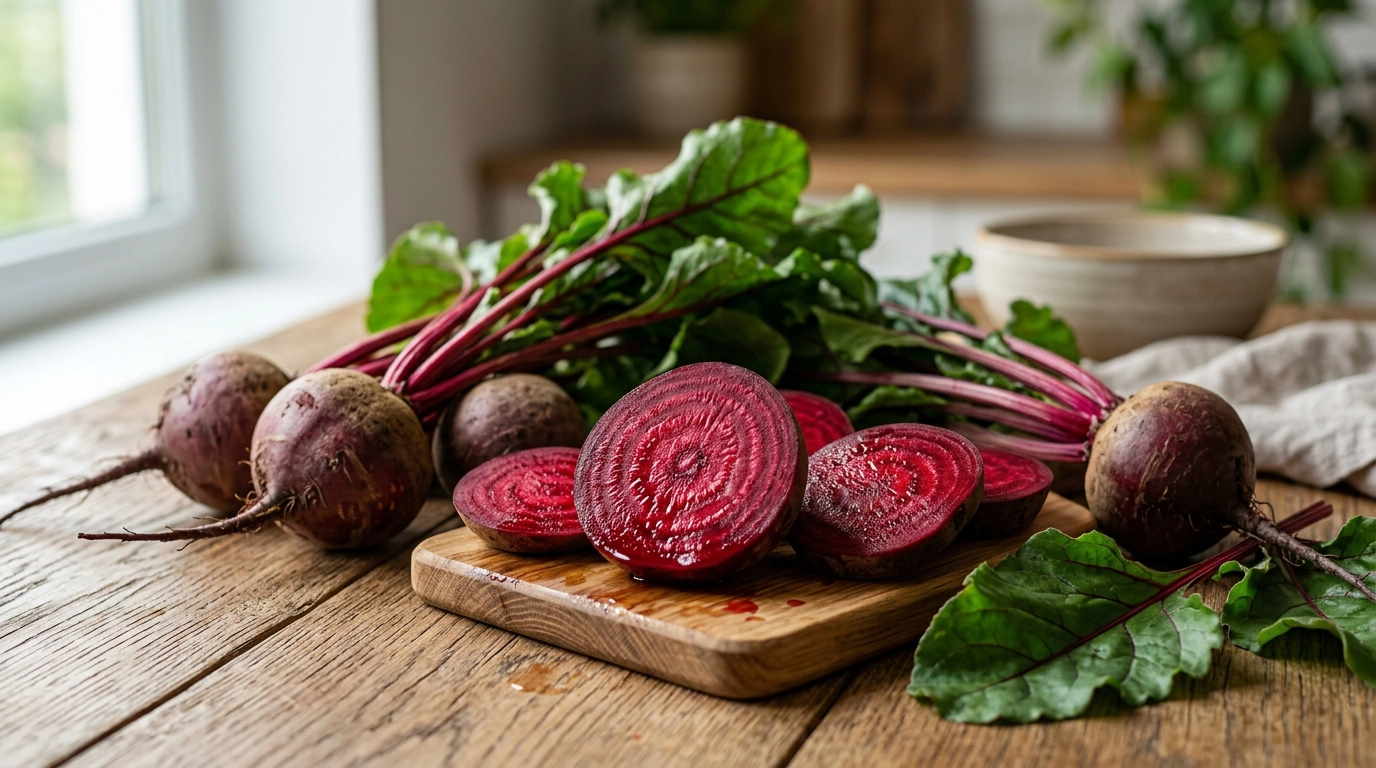
Beetroot ( Beta vulgaris ) is a root vegetable that is a member of the family Amaranthaceae. It is known as chukander in Pakistan and can be found in the local markets, particularly during the winter season. It is of a deep crimson colour, is earthy, and has a natural sweetness which makes it easy to use in salads, juices, and cooked preparations.
Beetroot is consumed in South Asia as a food additive as well as a traditional medicine. Since its application in increasing haemoglobin in anaemic patients, to its application as a home remedy for high blood pressure, Chukander has a long history of daily health use in Pakistani homes.
Beetroot Nutrition Facts
The nutrient profile of beetroot is one of the major factors that have made it so popular. It has a strong nutritional hit, even though it is low in calories. One hundred grams of raw beetroot would normally have approximately 43 calories and is a great addition to the diet of any weight watcher.
Beetroot contains a lot of dietary fibre, which helps in digestion and leaves you full. It has folate (vitamin B9), which is particularly significant to pregnant women. It also contains vitamin C, potassium, manganese, and iron – all of which are nutrients that contribute to normal body functions.
The most notable thing about beetroot is its nitrates and betalains. Nitrates are naturally found substances that are converted by the body to nitric oxide, which relaxes and dilates blood vessels. Beetroot contains betalains, which are potent antioxidants that give it its characteristic colour and prevent cell damage. A combination of these compounds is the reason behind most of the popular health advantages of beetroot.
The 12 best health benefits of beetroot.
The list of beetroot benefits is really impressive, starting with your heart to your skin. The twelve best-supported ones are listed here.
1. May Help Lower Blood Pressure NATURALLY.
The issue of high blood pressure is a significant one in Pakistan, especially among middle-aged adults. Beetroot has rich amounts of dietary nitrates that are transformed into nitric oxide by the body. Nitric oxide dilates blood vessel walls and aids in enhancing blood flow, which may sustain normal blood pressure in the long run. Some of the studies indicate that regular consumption of beetroot juice can lower systolic and diastolic blood pressure. Although not a substitute to prescription medicine, beetroot is used by many individuals as a natural supplement to their cardiac care regimen.
2. Promotes More Energy and Strength.
Beetroot can help if you tend to be slow or lack energy. The nitrates in beetroot assist the body in utilizing oxygen more effectively during exercise, which implies that your muscles can exert more effort with less energy. This is what has made beetroot a favorite among sportspeople and fitness lovers as a natural source of energy. Although you might not be an athlete, a beetroot juice or whole beets in the morning could make you feel more energised during the day.
3. Helps Boost Haemoglobin and could help with anemia.
Anaemia is very prevalent in Pakistan, particularly in women and growing children. Iron is found in beetroot, and the body requires iron to form haemoglobin, the protein present in red blood cells that carries oxygen. It is also rich in folate, which is vital in the production of red blood cells. Regular intake of beetroot, particularly when combined with vitamin C-rich foods, which aid in iron absorption, can aid in healthier haemoglobin levels. It is a popular domestic medication in Pakistan among those who are treating mild iron deficiency.
4. Full of Antioxidants to combat Cell Damage.
Beetroot is also high in betalains – a group of antioxidants that give it that deep red-purple colour. These antioxidants aid in protecting your cells against oxidative stress, which is associated with ageing, chronic disease, and inflammation. Beetroot also has vitamin C, which provides additional antioxidant protection. The immune system can be assisted with the help of a diet that is high in antioxidants, lowers the level of inflammation, and enables the body to cleanse itself better. It can be particularly beneficial to the people who consume a lot of processed or fried food to obtain antioxidants in a natural form, such as beetroot.
5. May Aid Digestion and Gut Health.
Beetroot is rich in dietary fibre that nourishes the good bacteria in your gut and maintains your bowel movements. The health of your gut is not only about preventing constipation, but also influences your immune system, mood, and metabolism. Beetroot fibre gives bulk to your meal, making you feel fuller and longer, and may help prevent the temptation to overeat. A few portions of beetroot in your daily diet may be an easy way to promote digestive health
6. Beetroot Skin Benefits:
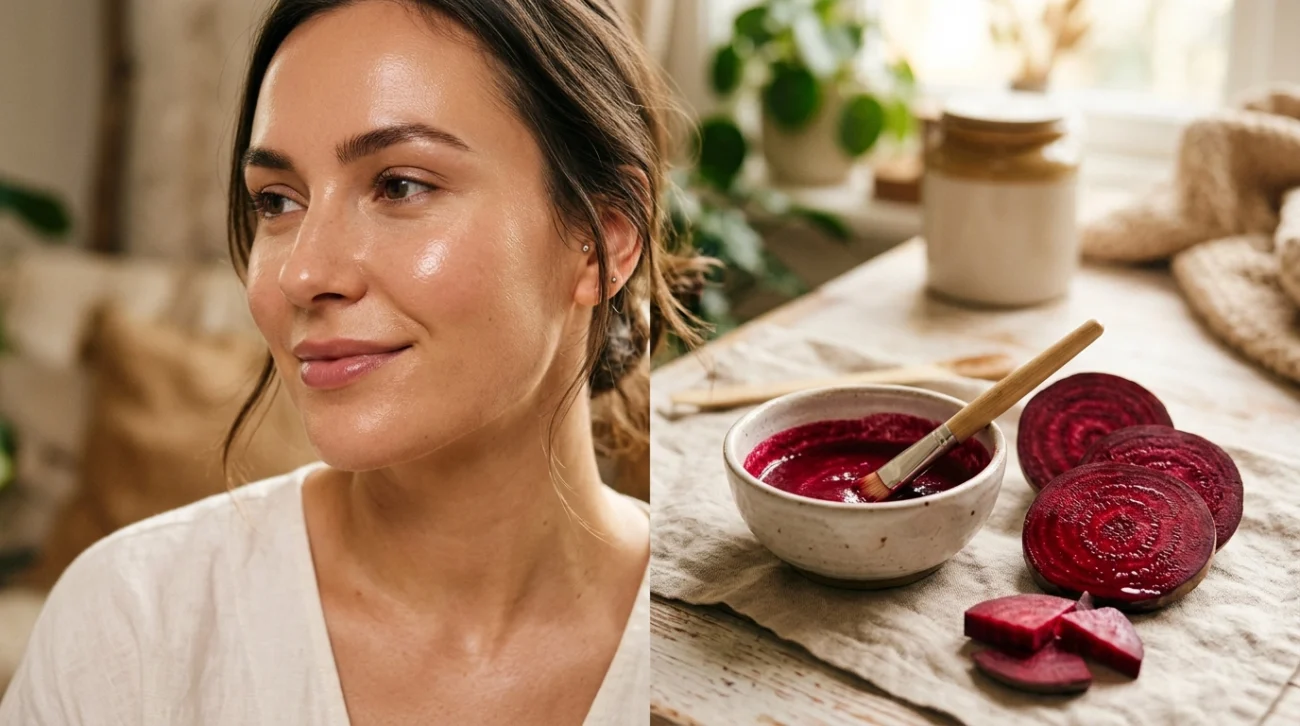
A Natural Glow inside out. People who use natural beauty products are well aware of the beetroot benefits to skin. Beetroot contains vitamin C, which helps in the production of collagen that makes the skin firm and young. It contains antioxidants that can combat free radicals, which cause premature ageing and dull skin. On the inside, beetroot juice could be used to enhance skin texture and even tone with time. Outside, fresh beetroot juice is occasionally used on the skin as a toning agent, and some individuals apply it as a face mask to lighten the skin. The outcome is not always the same, but it is a safe and inexpensive alternative to consider.
7. Helps in liver detox and cleansing.
Beetroot can assist your liver, which is the main detox organ of your body. Betaine, a beetroot compound, can be used to prevent fatty deposition in the liver and assist it in its natural detoxification. Beetroot has been a traditional herbal medicine for liver cleansing. Although it is not a miracle detox food, it can be included in a balanced diet to promote liver health, especially in individuals who eat heavy foods frequently or are susceptible to liver problems. One of the simplest methods of achieving this advantage is by adding beetroot to fresh vegetable juices.
8. Beetroot as a weight loss food:
Low-calorie, high-nutrition. Beetroot is a clever choice for your diet if you are trying to control your weight. It contains approximately 43 calories per 100g and has a fair share of dietary fibre, which makes you feel full without the need to add a lot of calories to your body. Beetroot’s natural sugars give a slow energy boost without the post-sweet crash as found in processed sweets. Morning beetroot juice can also be used to jump-start your metabolism. Nevertheless, beetroot cannot be used as an isolated solution to achieve real weight loss, but it can be used as a supplement to a more comprehensive healthy eating plan. Does beetroot help with weight loss? It is capable of giving assistance to the process.
9. May Support Mental Clarity and Brain Health.
Not only does improved blood flow help your heart, but it also helps your brain. Nitric oxide aids in the dilation of blood to the frontal lobe, which is part of the brain that assists in decision making, concentration, and planning. There is some evidence that frequent consumption of nitrate-containing foods such as beetroot can help enhance cognitive function, especially in the elderly. Beetroot may be a helpful natural plan to add to the diet of students or working professionals who require more attention and mental energy. This brain-enhancing relationship is among the more thrilling beetroot studies.
10. Beetroot Hormonal and Reproductive Benefits: Men and Women.
Boron, which is a mineral, is found in beetroot and could be involved in the formation of sex hormones. In men, there is some evidence that the nitrate in beetroot can be used to promote blood circulation in a manner that can enhance reproductive health. In women, the folate contained in beetroot is especially beneficial during pregnancy, when it is used to prevent neural tube defects in the unborn baby. Other benefits of beetroot to women are that it helps to maintain iron levels during the menstrual period, and this may help to counteract fatigue. The anti-inflammatory and energy-giving properties of this vegetable can be helpful to both men and women.
11. May Help Decrease Inflammation in the Body.
Many of our everyday health issues, such as joint pain, heart disease, and some digestive issues, all have chronic inflammation as their root cause. Betalains, especially betanin and vulgaxanthin, are anti-inflammatory compounds found in beetroot. The compounds can be used to inhibit certain enzymes associated with inflammation in the body. To individuals who suffer from chronic fatigue, stiffness, or frequent joint pain, adding beetroot to a daily diet can offer some natural relief in the long run. It works particularly well with other anti-inflammatory foods such as ginger, turmeric, and leafy greens that are popular in Pakistani food.
12. Promotes Healthy Blood Sugar.
This may seem odd, but even though it is naturally sweet, beetroot has a comparatively low glycaemic load when consumed as a whole food. The fibre in beetroot slows down the absorption of sugar; this implies that it does not lead to a sharp rise in blood sugar like refined carbohydrates. Some studies have also associated the antioxidant, alpha-lipoic acid, present in beetroot, with increased insulin sensitivity. Whole beetroot, as opposed to concentrated juice, can also be a useful addition to foods to help people with pre-diabetes or those who need to stabilise their energy levels during the day. As usual, people with diabetes are to watch the portions and consult their doctor about diet changes.
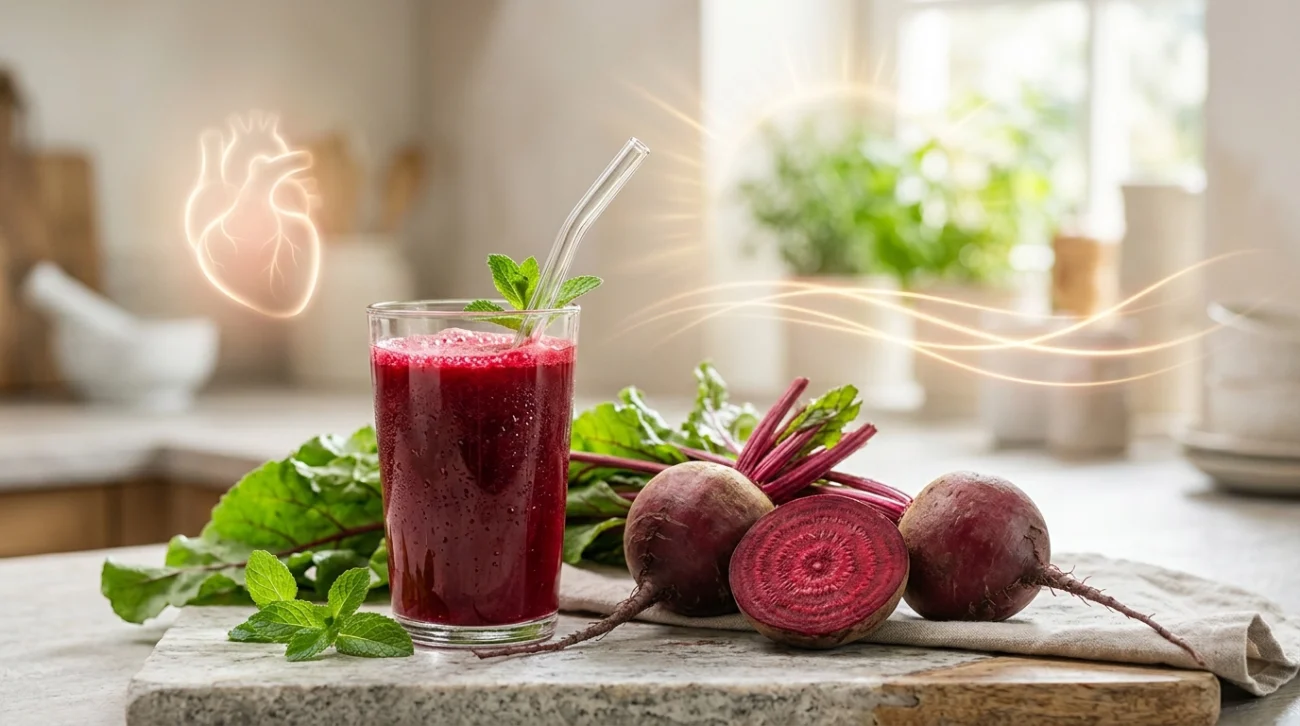
One of the most popular methods to enjoy beetroot is in the form of beetroot juice, particularly for those who do not enjoy the earthy flavor of raw beets. The advantages of beetroot juice are mostly similar to whole beets, except that the liquid form of the beetroot nutrients is absorbed into the bloodstream faster. The benefits of beetroot juice in the morning are especially popular. Consumption of a small glass (150200ml) of fresh beetroot juice in the morning can aid in increasing the levels of nitric oxide, aid in digestion, and give a mild energy boost to the day before it starts. It can be served with a squeeze of lemon or a slice of ginger to improve the flavor and nutritional value. In case pure beetroot juice is too strong, you can mix it with apple, carrot, or cucumber. It is a usual thing in Pakistan and is a refreshing and nutritious beverage that is much easier to take regularly.
Raw vs Cooked Beetroot: What is the Difference?
The advantages of raw beetroot over cooked beetroot are a popular query. The truthful response is that they are both valuable, but differ in some aspects. Raw beetroot preserves a higher level of its nitrate and vitamin C, as heat may destroy some of these substances. When it comes to blood pressure support or energy, raw or juiced beetroot could be a little more effective.
However, cooked beetroot is far easier to digest, and the natural sugars are more bioavailable. The betalain antioxidants are not very sensitive to heat, and thus, cooked beets can continue to provide effective antioxidant protection. Cooking by roasting or steaming is preferable to cooking by boiling, as boiling may dissolve some of the nutrients into the water. Finally, the most appropriate form will be the one that you will be consuming regularly.
What is the Dose of Beetroot?
According to most nutrition experts, 1-2 small to medium beetroots per day (approximately 100-200g) is a decent amount of beetroot that most healthy adults can consume. In case you like juice, the daily intake of fresh beetroot juice is usually 150-250ml. The answer to the question of how much beetroot to consume every day would be based on your own health objectives and tolerance.
You should begin with a small portion when you are new to beetroot, particularly with juice, because sometimes a huge amount of beetroot at once may be a bit upsetting to the digestive system. It is quite okay to divide your consumption throughout the day or even alternate days and still achieve the same benefits.
Uses of Beetroot
Beetroot is very useful in the kitchen. In Pakistan, it is most often consumed uncooked in salads (raita style, grated with yoghurt and cumin), in chaat, or mixed with fresh juices. It is also boiled, roasted, or pickled. Pickled beetroot is a common topping for sandwiches and burgers in local cafes.
Outside the kitchen, beetroot is applied topically to the skin. The most popular search query in Pakistan is how to use beetroot to whiten skin. The easiest technique is to put fresh beetroot juice diluted in water on the face, wait 10-15 minutes, and rinse. Vitamin C can be used to even out uneven skin color with frequent applications. A patch test is always a good idea to start with, because the pigment can be permanent, and some individuals may have sensitive skin.
Beetroot Side Effects
Beetroot is mostly safe for most people when taken in normal food quantities. Nonetheless, there are several things to consider. The most frequent side effect is beeturia, a non-harmful pinkish-red colouring of urine or stool following a meal of beets. This is not a health issue and normally lasts for a day or two.
Individuals who have kidney stones need to be careful because beetroot contains a lot of oxalates that may lead to the development of stones. Low blood pressure patients should also take caution not to eat too much beetroot, especially in juice, because it also causes a further reduction in blood pressure. It is prudent to consult your doctor before introducing beetroot in large quantities in your diet in case you are on blood thinners or other heart drugs.
How to Use Beetroot
The simplest method to begin consuming beetroot is to put it in your everyday salad. Peel the raw beetroot, mix it with lemon juice, black pepper and a pinch of salt. It is cool, crispy, and can be ready in less than five minutes.
Juice lovers can add fresh beetroot, a slice of ginger, and a squeeze of lemon to make a balanced morning juice. When purchasing packaged beetroot powder or supplements, take according to the dosage on the label. Powdered beetroot may be added to smoothies, water, or even cooked.
To use on the skin, use fresh beetroot juice and apply with a cotton ball, and rinse after 10-15 minutes. Begin with two times a week and see how your skin reacts to it before making it a routine.
Who needs to avoid Beetroot or take it with Caution?
Beetroot is excellent for the majority of people, yet some people should be more cautious. Individuals who have kidney disease or who have a history of calcium oxalate kidney stones are advised to reduce their consumption. Patients with haemochromatosis (iron overload disorder) must also be careful because beetroot contributes to iron load.
Individuals with already low blood pressure ought to monitor their blood pressure after taking a lot of beetroot or beetroot juice. Beetroot has a moderate glycaemic index and therefore moderate portions of beetroot are usually safe but large portions of beetroot juice without fibre can spike the blood sugar. Use it as a daily supplement when you are in doubt. Consult your doctor or a qualified nutritionist.
Buying and Storing Beetroot.
In purchasing fresh beetroot in Pakistan, one should consider purchasing a beetroot that is firm, smooth-skinned, and has a bright colour. Do not use soft, wrinkled or cracked ones. Beets that are smaller are more tender and less earthy than very large ones. Take away the leafy tops (you can cook them as well, they are good food), and keep the roots in the refrigerator, in a plastic or cloth bag. When refrigerated, fresh beetroot can take up to two weeks. Eat the cooked beetroot within three to four days. When you purchase beetroot powder online, such as PansariOnline.pk, then store it in a cool and dry area without moisture or sunlight, and always close the bag tightly after using.
Conclusion
Chukander can do much of the heavy lifting, whether you need natural assistance with blood pressure, a means to increase your energy, healthier skin, or a basic immune boost. It is cheap, easy to obtain, and very simple to incorporate into your daily food. Consistency is the key. You do not have to consume kilos of it daily; even a small portion of it daily will accumulate over time. Begin with a plain salad or morning juice and notice what your body will do. Many report better energy, skin, and general well-being after a few weeks of regular use. Like any food, beetroot is best eaten in a balanced and diverse diet. So do chukander the honour it deserves–your body will be grateful.
Frequently Asked Questions (FAQs)
Q1. What are the key beetroot advantages?
The primary beetroot advantages are healthy blood pressure, increased iron and haemoglobin levels, increased energy and stamina, skin health, digestion, and potent antioxidants. It is also employed to aid in liver detox and can aid in weight control when combined with a balanced diet.
Q2. Should one eat beetroot on a daily basis?
Yes, a healthy person can eat beetroot every day in moderate doses (100200g). The benefits of daily consumption are the maintenance of normal blood pressure, better iron levels, and regular intake of antioxidants. But individuals with low blood pressure or kidney stones should be aware of high amounts of daily.
Q3. Does beetroot reduce blood pressure?
Beetroot is rich in dietary nitrates, which are converted to nitric oxide by the body. Nitric oxide dilates and opens blood vessels, which could potentially reduce blood pressure in the long run. Studies indicate that it may be a helpful natural aid, but must be used in conjunction with, not in place of, prescribed medication to treat hypertension.
Q4. Does beetroot help with weight loss?
Beetroot can aid weight loss as it has a low calorie content, is rich in fibre, and has the natural property of keeping you full. It is not a magic pill, but when combined with a healthy diet and exercise, a regular intake of beetroot may help you lose weight more easily.
Q5. What are the beetroot skin benefits?
The skin benefits of beetroot are that it enhances complexion, helps in collagen formation because of the presence of vitamin C, and that it is an antioxidant that prevents free radical damage. Regular consumption of beetroot juice can be beneficial in lightening the pale complexion of the skin, and topical use of diluted beetroot juice is reported in some home remedies to whiten the skin.
Q6. What are the benefits of beetroot to hair?
Beetroot benefits to hair are attributed to the presence of iron, folate, and vitamin C in beetroot. Iron helps in the healthy blood supply to the scalp, which can help decrease hair loss related to anaemia. Beetroot juice is also applied topically as a conditioning treatment or incorporated into hair masks to add shine and nourishment.
Q7. What are the benefits of beetroot juice in the morning?
Taking beetroot juice in the morning on an empty stomach or with breakfast will assist in increasing the level of nitric oxide early in the day, which aids in blood circulation and energy. It can also help in digestion, provide a slight boost of natural energy, and vitamins and antioxidants to begin the day on a good note.
Q8. What is the home treatment of beetroot for skin whitening?
One of the simplest ways would be to squeeze fresh beetroot juice, add a few drops of lemon juice, and apply it using a cotton ball on clean skin. Keep it on for 10-15 minutes, and then run under lukewarm water. Take twice or thrice a week. Always patch test initially because it can stain the skin and clothes.
Q9. What are the beetroot benefits to men in particular?
The benefits of beetroot to men are that it improves athletic performance and stamina through its nitrate content, it may help support blood flow, which in turn may help support reproductive health, and it has overall heart-protective effects. The iron and energy-enhancing compounds are also beneficial to men who have active or physically demanding lifestyles.
Q10. Are there any side effects to consuming excessive amounts of beetroot?
The most frequent side effect is beeturia, pink or red urine and stools, which is not harmful. Beetroot may reduce blood pressure in large doses, which can be an issue for those who are already on low BP. People who are likely to have kidney stones may also have a problem with high oxalate content. Avoid these concerns by sticking to moderate daily amounts