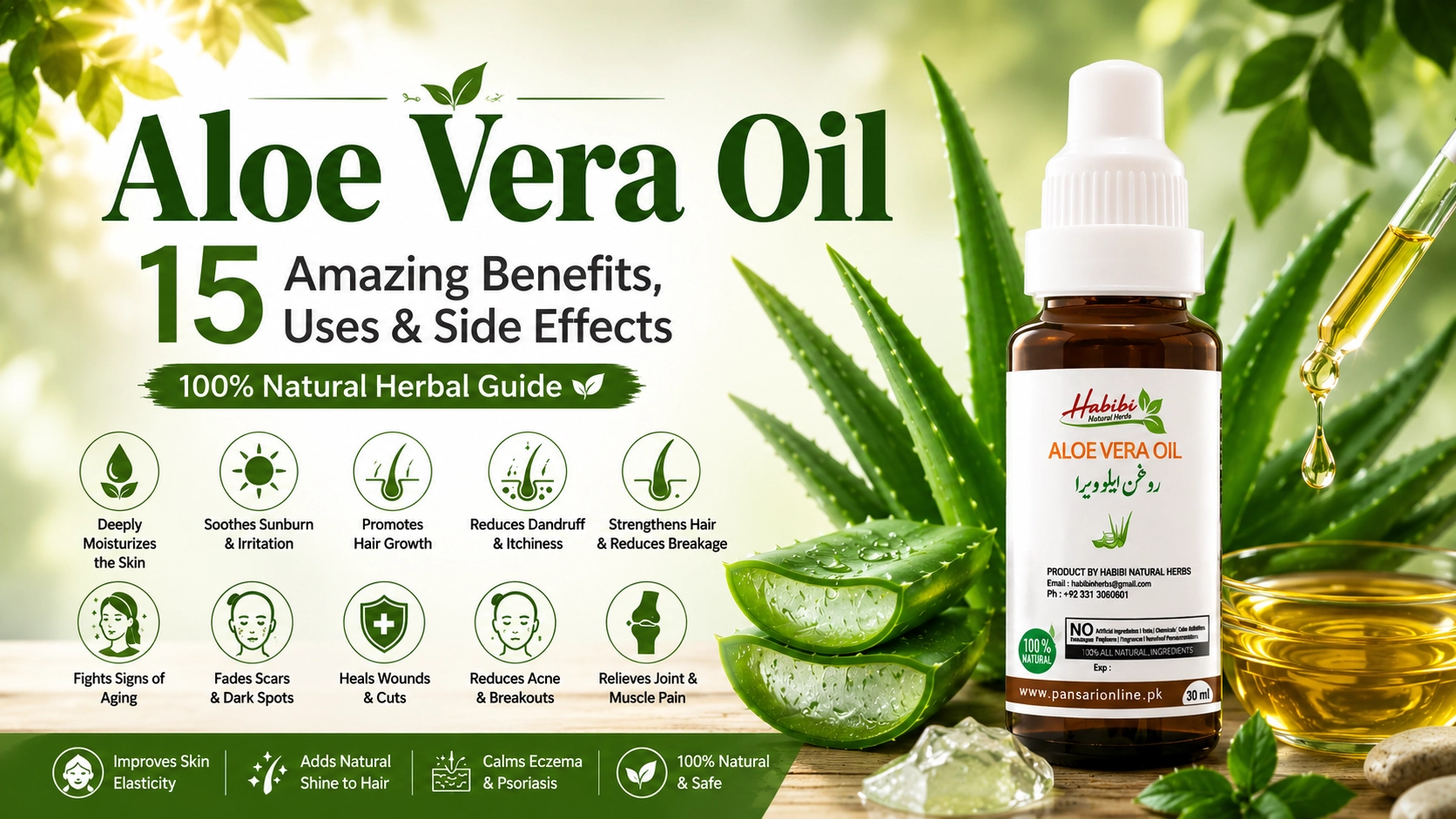
For centuries, aloe vera has been a trusted natural remedy, renowned in ancient cultures from Egypt to South Asia as one of the most potent healing plants, recognized for its ability to alleviate, heal, and rejuvenate. Aloe vera in its gel form is well-known throughout the world and is used in countless skincare products; however, aloe vera oil provides a more concentrated, deep-penetrating method of using aloe—particularly for skin, hair & joint care.
Aloe vera oil is created through the infusion of aloe vera extract into a carrier oil, for example, coconut oil, olive oil, or almond oil. The Fucoidan is mixed with the natural restorative properties of Aloe Vera (vitamins, enzymes, and antioxidants) along with a nutrient-rich base oil that provides deep moisture and has penetration abilities. The result is an ultra-light and incredibly powerful oil that can be used on the face, scalp, and hair as well as for the body.
In this ultimate guide, we will discuss what aloe vera oil is, its 15 biggest benefits, how to correctly use it for several purposes, who can use it, potential side effects, and answers to frequent questions about this natural remedy.
What Is Aloe Vera Oil?
Aloe Vera Oil is made by “infusing” fresh Aloe Vera gel or extract in a carrier oil, and over time the two infuse together (sometimes with low-gentle heat to speed up the process). This preserves the active components of aloe vera—vitamins A, C, and E, acids, enzymes,enzymes, and potent antioxidants—whileantioxidants—while also providing an extra layer of moisture and skin-absorption properties through the base oil it is combined with.
Aloe Vera Oil, on the other hand, absorbs evenly and retains moisture for longer than pure Aloe Vera gel, which will feel sticky and evaporate fairly quickly on the skin. Additionally, it is easier to massage into the scalp and hair, which makes it a preferred choice in natural hair care regimens. Aloe Vera Oil—One of the main ingredients present in a lot of worldwide traditional skincare and haircare routines now considers using it, as it has two major natural beneficial ingredients in it.
15 Benefits of Aloe Vera Oil
Deeply Moisturizes the Skin
Aloe vera oil quickly penetrates the skin and offers long-lasting hydration without a greasy finish. It is perfect for both dry and oily skin types, as it balances moisture without clogging pores.
Soothes Sunburn and Irritation
Aloe vera oil is an excellent natural coolant and anti-inflammatory agent, which eases sunburned or irritated skin, alleviating redness, heat, and discomfort. By applying after exposure to the sun, it can help speed up your skin’s natural recovery.
Promotes Hair Growth
Applying aloe vera oil to the scalp is a good practice, as it improves circulation to the hair follicles. Improved circulation means more oxygen and nutrients for hair roots, helping to strengthen follicles and promote healthier, faster growth over time.
Reduces Dandruff and Scalp Itchiness
Due to its natural antifungal and antibacterial properties, aloe vera oil helps restrict the microbes that cause dandruff. Regular massage with this oil can relieve scalp itch and flaking and restore normal scalp condition.
Strengthens Hair and Reduces Breakage
Aloe vera oil is loaded with vitamins, amino acids, and antioxidants essential for nourishing hair strands from root to tip. The result is healthy hair with fewer split ends and brittleness—giving your locks a stronger, more dynamic feel.
Fights Signs of Aging
Aloe vera oil contains antioxidants that help neutralize free radicals, which are one of the leading causes of fine lines, wrinkles, and premature aging. This helps your skin constantly look firmer and more youthful for regular use.
Fades Scars and Dark Spots
When used regularly, aloe vera oil may help lighten the appearance of marks left behind by acne scars, stretch marks, and dark spots, as it helps facilitate skin cell turnover and regeneration, which brings consistency in skin tone.
It also aids in recovery from small wounds/cuts.
Historically, aloe vera has a reputation for healing wounds. The oil form sends these healing compounds straight to the site of injury, allowing for a more effective treatment of superficial cuts, burns, and skin abrasions.
Reduces Acne and Breakouts
Reduces acne: Contains natural antibacterial properties that help combat the bacteria that cause acne, and its anti-inflammatory effects counteract redness and swelling around breakouts without clogging pores or adding extra oil to your skin.
Relieves Joint and Muscle Pain
When applied to sore muscles or painful joints, aloe vera oil massaged will relieve stiffness and pain. The anti-inflammatory benefits of ginger make it a commonly used natural remedy to help alleviate common aches post-exercise.
Improves Skin Elasticity
Aloe vera oilvera oil aids the skin in naturally making collagen, ensuring firmness and elasticity to the skin. It can help make your skin look firmer and more flexible over time.
Adds Natural Shine to Hair
A little massaged into the ends will make the hair have a natural, healthy-looking gloss without any greasy density like other hair oils can leave behind.
Calms Eczema and Psoriasis Symptoms
Due to its incredibly soothing and moisturizing properties, aloe vera oil can soothe skin dryness, itching & irritation, which are symptomatic of such conditions as eczema and psoriasis.
Balances Oily Skin
Contrary to intuition, however, aloe vera oil again helps control the amount of excess sebum (oil) your skin produces. Which makes it a great, lightweight product for even oily or acne-prone skin.
Strengthens Nails and Cuticles
Apply some of this aloe vera oil on the nail as well as the cuticles; it acts like a little massage, helping to get rid of any dryness from brittle nails and also softening the rough cuticles of our nails, thereby helping them grow stronger & healthier.
How to Use Aloe Vera Oil
Based on the way you want to use aloe vera oil in your daily routine, it is versatile and, therefore, can be included in several ways.
Method of Use: – For Skin: Take some drops of aloe vera oil on clean fingers and massage it into your face & body, especially the dry or affected areas. Applied at night before bed as part of your skincare routine is optimal for absorption alone, or add a drop to your normal moisturizer for additional hydration.
For Hair and Scalp: You can warm a small amount of aloe vera oil in your palms, then gently rub it all over your scalp with circular motions. This helps promote blood circulation to the hair roots. Apply the oil and leave it on for 30–45 minutes, or overnight for even better nourishment; then rinse off with a gentle, sulfate-free shampoo. Do this 2–3 times a week for better results.
For Sunburn or Irritated Skin: Next, gently rub a few drops of aloe vera oil onto the area to help relieve redness, as it will cool as well and promote healing. Apply as needed during the day.
Application Method for Joint & Muscle Pain: Massage the oil into the affected joint or muscle area for a few minutes using firm circular strokes. This can help relieve stiffness and pain and enhance blood flow in the area.
Nails and Cuticles: Massage a drop of aloe vera oil into your nails and cuticles before bed so they do not get dry or cracked.
Patch Test Tip: Apply 1–2 drops of Aloe Vera Oil on your inner arm and wait for 24 hours; if no signs of allergic reaction → redness, itching, or swelling) appear, then use it. Provided no irritation happens, it ought to be safe for everyday use.
Who Should Use Aloe Vera Oil?
Aloe vera oil can be used on almost all skin and hair, including dry-skinned, oily, combination, and sensitive skin. This is particularly useful when it comes to those who have a dry or flaky scalp, dull or damaged hair, acne-prone skin, early signs of aging, and minor skin irritations. Since it is a very natural and soft product, virtually everyone who reaches adulthood can add it to his or her daily skincare as well as his or her haircare regimen. Still, people who are allergic to either aloe vera or any of the carrier oils included in the blend should avoid using it (unless consulting a dermatologist beforehand).
Possible Side Effects
Aloe Vera Oil is relatively safe for topical application; however, like any natural product, a minority of individuals may develop temporary skin irritation and redness or an allergic reaction —for example, if they have very sensitive skin or are known to be allergic to certain plants. This is also the reason why a patch test is always suggested before first use. If you are pregnant or breastfeeding, or have chronic skin conditions, it is advised to talk to a health care provider before using regularly.
Storage Tips
Keep Aloe Vera Oil fresh by storing it in a cool, dry place, away from direct sunlight. If you keep the bottle tightly sealed after each use, it helps prevent oxidation as well and preserves its longevity.
Frequently Asked Questions (FAQs)
Q1: Can You Apply Aloe Vera Oil on a Daily Basis?
Aloe vera oil is, however, best to use in moderate amounts on your skin and hair daily. Starting a few times a week at first is the best approach, but make sure you’re adjusting based on your skin.
Q2: How to use aloe vera oil on the face?
Yes, it’s lightweight and non-comedogenic for most skin types, making it suitable for the face and skin too, and particularly good at hydration (paradoxically!) and soothing irritation as well as reducing fine lines.
Q3: Does aloe vera oil promote hair growth?
Aloe vera oil helps with blood circulation on the scalp, nourishing hair follicles, which must eventually help in growing the hair & possibly faster too (if used regularly).
Q4: Aloe Vera Oil Overnight on Hair?
That is correct, but if you leave it overnight, the oil will penetrate deeper into your scalp and hair strands to nourish them even further. I recommend covering your hair (or placing an old pillowcase on your bedding) to avoid a surprise wake-up in the morning.
Q5: Is Aloe Vera Oil Best For Oily Skin?
Yes, it regulates the production of excess sebum and adds moisture without greasing up the skin, so even oily and combination skin types can use this oil.
Q6: Does Aloe Vera Oil Help Remove Dark Spots and Scars?
On the skin, it helps fade dark spots and scars with regular and consistent long-term use by helping facilitate healthy cell turnover—this varies from person to person depending on the skin type and severity.
Q7: Aloe Vera Oil Results: How Long Are They?
You will probably start to see skin texture and hydration, and overall hair health improvements as early as 2–4 weeks of use when commonly taken on a regular and consistent basis, but results may vary based on individual skin/hair condition.
Q8: Can Aloe Vera Oil be Blended with Different Oils?
Yes, it is mixed with oils such as coconut oil, almond oil, jojoba, or olive oil to improve its hydrating effect and provide greater moisturization as well as other properties.
Q9: What are the side effects of aloe vera oil?
Not ametic response; it is very safe for people, but those who have sensitive skin may experience irritation or an allergic reaction. Before regular use, a patch test is always advisable.
Q10: Will aloe vera oil help with sunburn?
Yes, it has natural cooling and anti-inflammatory properties that help relieve sunburned skin in addition to decreasing redness and aiding in rapid healing when applied topically.
Final Thoughts
Aloe vera oil is a multi-purpose, natural oil that promotes healthy skin, growing hair, and wellness. Aloe Vera Oil can help you with dry skin, hair fall, dandruff, stiffness in the joints, and minor irritations caused on the skin in some form or another for easy application. Like any natural product, you need to be patient and use it regularly—its real benefits come only weeks after consistently using aloe vera oil, making it a worthy part of any all-natural skincare and haircare routine.