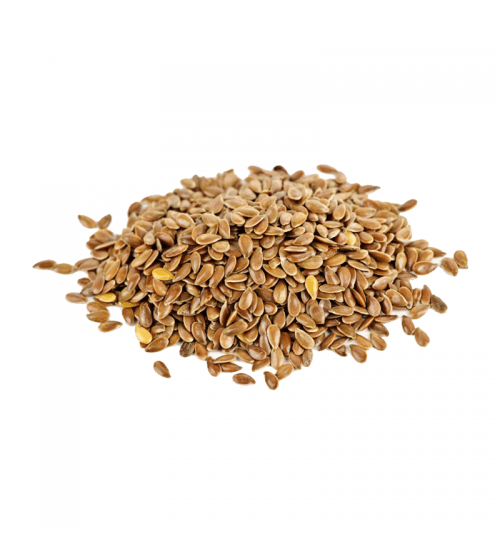
Flax seeds, known as Alsi in Urdu, are a powerhouse of nutrients offering numerous health benefits. From improving digestion to supporting heart health, these tiny seeds are a must-add to your diet. Learn about their incredible advantages and how they can enhance your well-being.
Flax Seeds in Urdu (Alsi ke Beej)
Flax seeds, known as “السی کے بیج” (Alsi ke Beej) in Urdu, are small, brown or golden seeds packed with nutrients. These seeds are widely recognized for their health benefits and have been used in traditional remedies for centuries. This guide will explain their nutritional value, benefits, uses, and precautions.
Nutritional Value of Flax Seeds
Flax seeds are highly nutritious and packed with essential nutrients that support overall health. Below is the nutritional breakdown per 100 grams:
| Nutrient |
Amount (Per 100 g) |
| Calories |
534 kcal |
| Protein |
18.3 g |
| Carbohydrates |
28.9 g |
| Dietary Fiber |
27.3 g |
| Fats |
42.2 g |
| Omega-3 Fatty Acids |
22.8 g |
| Calcium |
255 mg |
| Iron |
5.7 mg |
| Magnesium |
392 mg |
| Potassium |
813 mg |
| Vitamin B1 (Thiamine) |
1.6 mg |
10 Health Benefits of Flax Seeds
Flax seeds, also known as Alsi, are packed with nutrients that offer multiple health benefits. These tiny seeds are a great addition to your daily diet for better overall health. Here are ten major benefits of flax seeds.
1. Improves Digestion
Flax seeds are an excellent source of dietary fiber, which helps maintain regular bowel movements and prevents constipation. The fiber also supports gut health by promoting the growth of good bacteria in the digestive system.
2. Supports Heart Health
The omega-3 fatty acids in flax seeds lower bad cholesterol levels and improve overall heart health. They also help reduce blood pressure, making them beneficial for cardiovascular wellness.
3. Aids in Weight Management
Flax seeds contain both soluble and insoluble fiber, which keeps you feeling full for longer periods. This helps reduce unnecessary snacking, supporting healthy weight management.
4. Regulates Blood Sugar Levels
Flax seeds slow the digestion process, preventing rapid spikes in blood sugar levels. This makes them an excellent choice for individuals managing diabetes.
5. Boosts Skin Health
Rich in omega-3s and antioxidants, flax seeds enhance skin hydration and elasticity. They reduce dryness and prevent premature aging, leaving the skin looking healthier.
6. Promotes Healthy Hair
The nutrients in flax seeds, including Vitamin E and omega-3s, nourish the scalp, strengthen hair roots, and reduce hair fall.
7. Fights Inflammation
Flax seeds contain lignans and alpha-linolenic acid, which have anti-inflammatory properties. These help reduce inflammation in the body and prevent chronic conditions.
8. Strengthens Bones
With high levels of calcium, magnesium, and phosphorus, flax seeds support bone density and strength, reducing the risk of fractures.
9. Improves Hormonal Balance
The lignans in flax seeds mimic estrogen, helping balance hormones. They are particularly helpful for women during menopause.
10. Enhances Immunity
Flax seeds are rich in antioxidants and essential nutrients that boost the immune system, making the body more resilient to infections.
How to Use Flax Seeds
Flax seeds are versatile and can be included in your daily diet in various ways. Here are some simple and effective methods to use flax seeds.
1. Whole Flax Seeds
Consume flax seeds whole as a snack or sprinkle them on yogurt, salads, or cereals for added crunch and nutrition. However, grinding is recommended for better nutrient absorption.
2. Ground Flax Seeds
Grind flax seeds into a fine powder and add it to smoothies, soups, or baked goods like bread and muffins. Ground flax seeds are easier to digest and provide maximum health benefits.
3. Flaxseed Oil
Use flaxseed oil as a salad dressing or drizzle it over cooked vegetables. Avoid using it for frying or high-heat cooking, as heat can destroy its nutritional properties.
4. In Beverages
Mix a tablespoon of flaxseed powder with water, juice, or milk to make a nutritious drink. You can also add it to herbal teas or protein shakes.
5. As an Egg Substitute
Combine one tablespoon of ground flax seeds with three tablespoons of water to create a gel-like mixture. This works as a vegan egg substitute in baking recipes.
6. Sprouted Flax Seeds
Sprouting flax seeds enhances their nutrient content. Add the sprouts to salads, sandwiches, or wraps for a fresh and healthy touch.
Flax seeds are a nutrient-dense addition to meals, but moderation is key. Aim for 1-2 tablespoons per day to enjoy their health benefits. Drink plenty of water to avoid digestive discomfort when consuming flax seeds.
Flax Seeds in Pakistani Cuisine
In Pakistan, flax seeds (السی کے بیج) are often used in traditional dishes and herbal remedies. They are:
- Added to laddoos or energy bars.
- Used in herbal teas for their detoxifying effects.
- Included in desi totkas (home remedies) for hair and skin care.
Flaxseeds Side Effects
Flaxseeds are highly nutritious, but consuming them in excess or without proper preparation can lead to some side effects. Below are potential side effects to be aware of:
- Digestive Issues: Excessive consumption of flaxseeds can cause bloating, gas, or diarrhea due to their high fiber content. People with sensitive digestive systems should start with small amounts.
- Allergic Reactions: Some individuals may experience allergic reactions, including rashes, itching, or swelling. If you suspect an allergy, avoid flaxseeds and consult a doctor.
- Risk of Obstruction: Whole flaxseeds can cause intestinal blockage if not consumed with enough water. Ground flaxseeds are a safer option for better digestion and absorption.
- Hormonal Effects: Flaxseeds contain phytoestrogens, which mimic estrogen in the body. Consuming large amounts may interfere with hormone-sensitive conditions or medications.
- Interference with Medications: Flaxseeds may interact with blood-thinning medications, anticoagulants, or hormonal therapies. Consult a healthcare professional before adding them to your diet.
- Low Blood Sugar: Flaxseeds can lower blood sugar levels, which might be problematic for individuals on diabetes medication. Monitor your levels carefully when consuming flaxseeds.
- Toxicity from Unripe Flaxseeds: Unripe or raw flaxseeds may contain cyanogenic compounds that can be toxic in large amounts. Always consume them properly cooked or processed.
To avoid these side effects, consume flaxseeds in moderation, ideally 1-2 tablespoons per day, and drink plenty of water. People with pre-existing health conditions should consult their doctor before incorporating flaxseeds into their diet.
Where to Buy Flax Seeds in Pakistan
Flax seeds are available in:
- Grocery stores and supermarkets.
- Organic food shops.
- Online marketplace Get Now.
Look for fresh, high-quality flax seeds to ensure maximum health benefits.
Conclusion
Flax seeds (السی کے بیج) are a versatile and nutritious addition to your diet. They offer a wide range of health benefits, from improving heart health to aiding digestion. Incorporate them into your daily meals for a healthier lifestyle. However, always consume them in moderation and consult a healthcare professional if needed.
With proper use, flax seeds can be a simple and effective way to enhance your health and well-being.
FAQs About Flax Seeds
What are flax seeds, and why are they beneficial?
Flax seeds, also known as Alsi, are nutrient-rich seeds packed with omega-3 fatty acids, fiber, and lignans. They offer health benefits such as improved digestion, heart health, and hormonal balance.
How should I consume flax seeds for maximum benefits?
Ground flax seeds are the best option as they are easier to digest and allow better nutrient absorption. You can add them to smoothies, salads, or baked goods.
Can flax seeds help with weight loss?
Yes, flax seeds can aid in weight loss. Their high fiber content keeps you full for longer, reducing cravings and unnecessary snacking.
Are there any side effects of consuming flax seeds?
Consuming flax seeds in excess can lead to bloating, gas, or digestive discomfort. It’s best to start with small amounts and drink plenty of water.
Can flax seeds be consumed during pregnancy?
Flax seeds can be beneficial during pregnancy due to their omega-3 and fiber content, but they should be consumed in moderation. Pregnant women should consult their doctor before adding them to their diet.