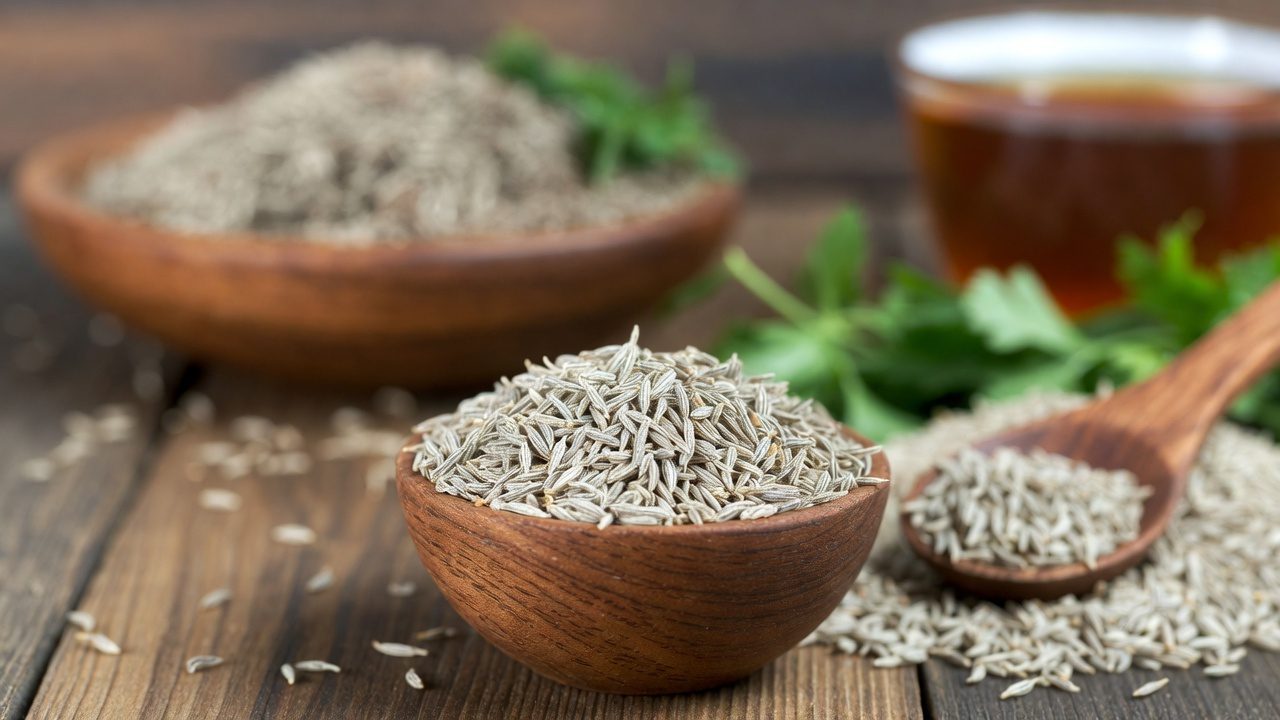
Cumin white, also referred to as “Zeera Safaid,” is a typical spice used in Pakistani kitchens. Its earthy, warm flavor makes it an essential ingredient used in curries and dals, and pickles. Beyond its flavor, the cumin seeds have been utilized for centuries in traditional cooking and food preparation practices.
Cumin White (Zeera Safaid) is valued for its health-promoting properties and aroma, as well as its capacity to improve digestion. If you’re a cook fan or are looking to give a fresh element to your everyday routine, knowing zeera Safaid may be helpful.
In this article, we’ll go over all aspects of the advantages that come from Zeera Safaid and its applications, along with its adverse effects and how you can incorporate it into your life in a safe manner.
What is Cumin White (Zeera Safaid)?
Cumin White (Zeera Safaid) is the lighter version of the normal cumin seeds. It is scientifically referred to as Cuminum Cyminum. The tiny yellow seeds are aromatic and somewhat bitter. While black cumin is widely used in certain parts around the globe, zeera safaid is commonly utilized in Pakistani food.
In the past, it was utilized in teas, cooking, and in homemade remedies. The seeds are tiny but full of bioactive and nutritional compounds, which makes them a preferred option for improving flavor and promoting overall health.
Nutritional and Traditional Profile
Zeera Safaid contains several essential nutrients, including:
- Vitamins B1 (thiamine) B2 (riboflavin) and folate
- Minerals The minerals include calcium, iron, magnesium, manganese, and iron
- Our Phytochemicals include:The essential oil and antioxidants make cumin seeds unique in scent
Traditionally, cumin seeds were used throughout Pakistan as well as South Asia to aid digestion, to warm our bodies, and to increase overall health. Their earthy taste is great with rice, lentils, and even roasted vegetables.
10 Benefits of Cumin White (Zeera Safaid)
1. May Support Digestion
Zeera Safaid is widely used to aid digestion. Its inclusion in meals can help reduce bloating and improve digestion naturally.
2. Rich in Antioxidants
Cumin seeds are rich in compounds that can help neutralize free radicals, thereby enhancing overall health.
3. Supports Iron Intake
Cumin white is an iron-rich natural food source that can aid in maintaining good blood flow, especially when you eat a vegetarian diet.
4. May Promote Healthy Skin
The antioxidants it contains can shield skin from oxidative damage, which can contribute to a healthy and glowing appearance.
5. Can Add Flavor Without Extra Salt
Zeera Safaid improves the taste of food, which allows you to cut down on the amount of salt you consume while still keeping your food flavorful.
6. Traditionally Used for Mild Cold Relief
Cumin tea made of zeera Safaid is widely consumed in Pakistan to ease mild symptoms of colds.
7. Supports Metabolism
Certain traditional techniques suggest that the cumin seed might assist in supporting natural metabolic processes.
8. Could Help to Reduce Bloating
Chewing on a handful of cinnamon seeds and adding them to your meals is a great method to ease occasional constipation.
9. Enhances Culinary Aroma
Its earthy, nutty taste makes curries, dals, and soups, which makes food more appealing and delicious.
10. May Support Natural Energy
Minerals rich in magnesium and iron, like zeera safaid, may help to maintain energy levels naturally.
Common Uses
Cumin White (Zeera Safaid) is multi-faceted:
- Food preparation: Curries, lentils rice, pickles and curries
- Beverages: Tea or water containing cumin for mild support with digestion
- seasoning Seasoned roast vegetables, salads or soups
- Powdered Form: Spice blends like garam masala
Its delicate taste makes it perfect for both savory and sweet dishes of Pakistani cuisine.
Side Effects
Although generally secure, zeera safaid could cause mild adverse effects for some individuals:
- Acidity or heartburn in those who are sensitive
- Allergies are uncommon, but it is possible to experience them.
- A large amount of food can upset the stomach.
Consume cumin seeds in moderation, and watch the way the body responds.
How to Use
- Whole seeds: Mix with hot oil before cooking dals or curries to add extra flavor.
- Ground powder: sprinkle on soups, vegetables, and roasts.
- Cumin Drinking Water. In a saucepan, boil a tablespoon of the seeds. Then strain and drink it warm.
- Tea: Infuse seeds using mint or ginger to make an herbal tea that is soothing.
Precautions / Who Should Avoid
- People suffering from severe digestive problems need to consult a doctor prior to making use of.
- Avoid using too much during pregnancy, unless recommended by a medical professional.
- People who have sensitivities to spices should take a small amount before taking a full test.
Conclusion:
Cumin white (Zeera Safaid) is more than simply an ingredient. Its aromatic flavor, nutritional value, and centuries-old tradition in Pakistani cooking, Zeera safaid, can be an excellent addition to your home kitchen. While it could aid in digestion as well as energy and flavor, moderation is the key. Make sure to incorporate it into your drinks, meals, and herbal remedies to take advantage of its gentle benefits without risk.
FAQs About Cumin White (Zeera Safaid)
- What exactly is Zeera Safaid?
Zeera Safaid, or Cumin White, is a pale cumin seed that is widely utilized in Pakistani food for its taste and health benefits.
- Does it differ from normal cumin?
Yes, white cumin has a lighter hue and a milder flavor than black cumin; they both have the same nutritional advantages.
- Do I need to consume cumin water every day?
Yes, it is, but only in small amounts. It’s typically used for moderate digestive support, but be careful not to take excessive consumption.
- Can Zeera Safaid aid digestive issues?
It is typically used to aid in digestion and can reduce bloating if consumed in conjunction with meals.
- What is the best way to keep the seeds of cumin?
Keep in an airtight jar free of sunlight, heat, and moisture to ensure the maximum freshness and flavor.
- Do you have any adverse consequences?
Rarely can it cause mild allergic reactions or heartburn for those who are sensitive.
- Can children eat cumin seeds?
Yes, in small quantities, typically included in meals. See a pediatrician if you have youngsters.
- Does it pose a risk during pregnancy?
Moderate cooking is generally safe, but be cautious about eating large quantities without medical assistance.
- Could it assist with the intake of iron?
Zeera Safaid is a natural source of iron and can aid in maintaining healthy blood levels.
- How can I purchase top-quality Zeera Safaid from Pakistan?
Online stores that are reputable, like PansariOnline.pk, offer fresh, quality, premium cumin seeds.