Introduction
Shatavari Powder benefits are a part of traditional health practices for ages and make it one of the most well-known Ayurvedic herbs for women, as well as overall general health. If you’re searching for an organic way to improve your body’s health and balance, knowing how this herb powder works is extremely beneficial.
This old root powder has been gaining popularity throughout Pakistan for several reasons. Women particularly turn to shatavari for hormone balance, reproductive health, and general well-being. However, the benefits go far beyond that, affecting everything from digestive comfort to immunity support.
In this article, you’ll discover all the details about the uses of shatavari and its benefits, as well as safety concerns and ways to incorporate it into your routine. No matter if you’re brand new to the world of herbal health or are already familiar with herbal remedies, this guide will provide clear and helpful details.
What is Shatavari Powder?
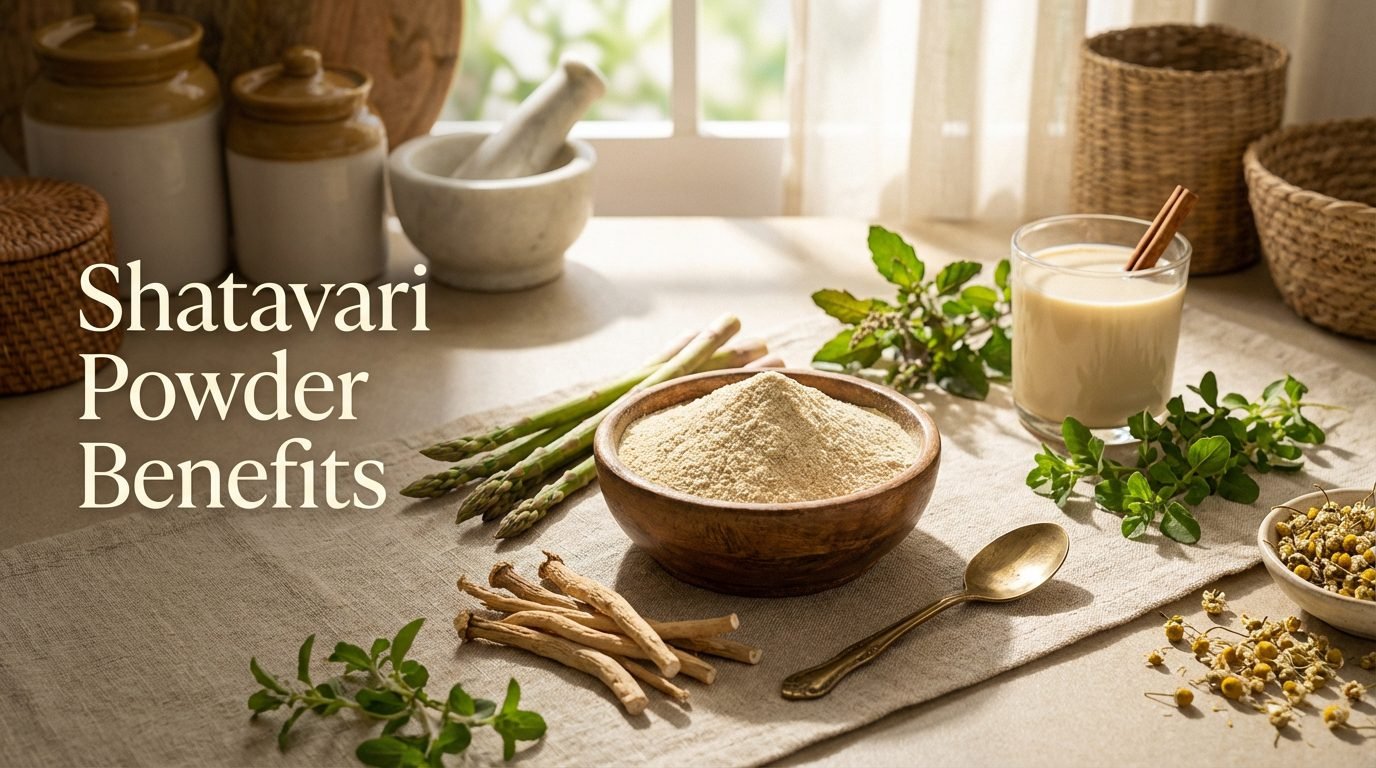
Shatavari powder is derived from the rhizomes of Asparagus racemosus, which is a climbing plant that is native to India and is found in the Himalayan region. The term “Shatavari” translates to “she who possesses a hundred husbands” in Sanskrit, which reflects its long-standing popularity for its ability to boost female energy and well-being.
The Ayurvedic herb is part of the asparagus family and is found in subtropical and tropical areas. The roots are carefully picked, dried, and then crushed to a powder. It can be added to foods, drinks, or used as an alternative.
In Pakistan, Shatavari is referred to under a variety of names and is now available in wellness shops and online platforms. It is regarded as a natural, which means it could help the body to adapt to stress and help maintain the balance. It has a slight sweet flavor and a light shade, which makes it simple to integrate into everyday routines without saturating other flavors.
Traditional and Nutritional Profile of Shatavari Powder
Shatavari has been an integral part of Ayurvedic medicine for more than 3000 years. Traditional practitioners have relied on it for the primary purpose of improving the health of women, as well as for digestion, immune support, and general vitality. In Ayurveda, it’s considered to be a “rasayana,” which means a rejuvenating and nourishing tonic that aids in longevity and overall well-being.
The root powder has natural compounds that contribute to its health properties. They include saponins, plants which can help support a range of body functions, as well as phytoestrogens, plant-based substances that work in harmony with the hormonal system of the body.
Shatavari is also a source of vital nutrients such as vitamins B, A, and E, as well as minerals such as calcium zinc, and magnesium. These elements are able to help the body in many ways, Shatavari should be considered as a complement to wellness as opposed to a replacement for a healthy diet.
The adaptogenic quality that this herb has makes it appealing to those who are dealing with modern-day challenges such as fatigue, stress, and hormonal changes.
10 Benefits of Shatavari Powder
1. May Support Hormonal Balance in Women
Shatavari powder for the balance of hormones is among its most popular traditional applications. The natural ingredients in shatavari could help strengthen the body’s hormone system, especially for women who are experiencing uncomfortable or difficult transitions in their cycle. Many women take this herb in their routine of wellness to keep equilibrium throughout different stages of life. The gentle phytoestrogens contained in the herb could assist our body’s naturally occurring processes, rather than causing disruption. Although individual experiences may differ, conventional usage suggests that it may help support regular cycles and overall health.
2. Traditionally Used for Reproductive Wellness
The benefits of this organic shatavari powder have been lauded in traditional medicine to support the reproductive system of females. People trying to conceive or who want to strengthen their reproductive system usually resort to this herb. It is believed to nourish the reproductive tissues and help to maintain the health of the environment. The cooling properties associated with shatavari within Ayurveda are believed to regulate internal heat and improve the feeling of comfort. But it’s essential to speak with a healthcare professional to discuss any particular reproductive health issues.
3. May Help Support Digestive Comfort
One of the lesser-known advantages of shatavari powder is its ability to help support digestive health. It is traditionally utilized to relax the digestive tract and could aid in the relief of occasional discomfort. It is believed to aid in the production of healthy digestive secretions as well as to keep the stomach lining. Individuals who suffer from occasional acidity or sensitivity to food often find shatavari beneficial when it is used regularly. The mild quality of the herb is ideal for people who have sensitive digestive systems.
4. Can Support Immune System Health
Shatavari powder for health has the potential to aid in strengthening your immune system. Natural antioxidants and beneficial substances found within the root could assist the body’s defense systems to perform optimally. Traditions of Ayurvedic practices suggest that it can help improve overall health and resistance to everyday stressors. Although it’s not a cure or a guarantee, incorporating the shatavari supplement in an active lifestyle can aid in better overall health. The adaptogenic properties of shatavari are believed to assist in assisting the body in responding more efficiently to a variety of issues.
5. May Promote Healthy Lactation in Nursing Mothers
Shatavari powder for women is available to mothers who are breastfeeding and traditionally utilize this herb to aid in the production of healthy milk. In Ayurvedic tradition, it’s believed to be a galactagogue. This means it could aid in promoting the process of lactation. Many mothers utilize it as a natural method to help them through their breastfeeding journey. Shatavari’s nourishing properties are believed to benefit both baby and mother during this crucial moment in time. However, mothers who are nursing should always consult with their health doctor before adding any new supplementation to their daily routine.
6. Supports Stress Management and Emotional Balance
As an adaptogenic plant, shatavari can help your body deal with stress levels and improve emotional well-being. The modern lifestyle in Pakistan has many demands, and natural plants like shatavari can provide gentle help to manage these pressures. The relaxing properties of the root powder can create a sense of calm as well as mental clarity. Regular usage as part of a healthy routine can help reduce the response to stress over time. Particularly, it is appreciated by those looking for natural options to help improve their emotional and mental well-being.
7. May Help Maintain Healthy Skin
The antioxidant benefits of the shatavari root powder can be applied to the skin’s health, too. When taken internally, it can help aid skin by encouraging hydration and a natural glow. Many people notice improvement in appearance and texture after regular usage. The herb’s rejuvenating and cooling qualities of Ayurveda can help maintain healthy, glowing skin. While the results may vary for every person, it is often incorporated into the beauty and wellness routines for this reason.
8. Can Support Urinary Tract Health
Shatavari is traditionally used to help support the health of the urinary tract and provide a feeling of well-being. The relaxing effects of this herb can aid in maintaining the health of your urinary tract and aid in normal functioning. It’s believed that it can ease occasional discomfort as well as promote an optimal fluid balance within the body. Women who have frequent urinary issues may use Shatavari as a part of their wellness regimen to prevent them. The mild diuretic properties can aid in our body’s own natural cleansing process without being too harsh.
9. May Support Energy and Vitality
Despite its soothing effects, shatavari is also known to boost general energy and vitality. It’s not about sudden energy spikes, but rather long-term well-being and less tiredness over the course of time. The rejuvenating properties of Ayurvedic Shatavari powder are a benefit for those who feel exhausted or fatigued. It is believed to nourish the deep tissues and boost our body’s own energy generation. Many people take it as a daily drink to maintain the same level of energy during their hectic days.
10. Supports Healthy Aging and Longevity
As an rasayana as a rasayana in Ayurveda, shatavari is valued as a potential supplement to the health of aging and overall longevity. Antioxidants and other beneficial substances could help protect cells from strain and wear. Regular use of antioxidants is believed to improve health and vitality as we age, assisting in maintaining our health and quality of living. It’s not about stopping time, but rather supporting the body’s natural processes that allow it to age gracefully. This long-term health benefit makes it a preferred option for those who focus on health prevention.
Common Uses of Shatavari Powder
Knowing how to utilize Shatavari powder will help you get the most benefit from this herb’s versatility. The most commonly used method is to mix it with warm milk as a traditional Ayurvedic recipe. Simply mix up to a teaspoon of powder in the milk until it is warm, then add a little honey if you wish, and drink it prior to going to getting ready for bed or early in the morning.
It is also possible to mix the powder with juices, smoothies, and herbal teas. This is particularly beneficial for people who don’t eat dairy products or prefer different tastes. Many people include it in their breakfast cereal or yogurt, and even in health and energy bars for a healthy boost.
Traditional wellness practices use Shatavari, which is usually used in conjunction with Ayurvedic herbs, such as ashwagandha for help with stress or gokshura for urinary health. The combination is according to individual requirements as well as traditional formulas.
To use externally, individuals make a paste using shatavari and water or rose water for application on the skin. Although it’s not as widespread as use for internal usage, it is sometimes utilized in homemade facial masks due to its soothing properties.
The powder is also taken as a capsule for those who prefer an easy option without any taste. A lot of people in Pakistan currently take supplements that have standardized shatavari extract to ensure uniformity.
Side Effects of Shatavari Powder
Although shatavari is typically considered to be safe when properly used, you must be aware of the potential adverse consequences. Some individuals may be experiencing mild digestive discomfort at first when they begin shatavari, such as loose stools or bloating. This is usually the case when you take too much in a short time or when you are on a full stomach.
Allergies are a possibility Particularly in people who are allergic to asparagus or similar plants. The signs could include itching, skin rashes, or difficulty breathing in more severe instances. If you experience any symptoms of an allergic reaction, take the medication off immediately and seek medical treatment when needed.
Since shatavari does have moderate diuretic properties, it could cause a rise in urination for some individuals. It’s not usually a problem, but it’s worth mentioning if you’re taking diuretic medication or suffer from specific kidney problems.
The herb’s effect on hormone balance implies that it may interfere with hormone-related medications or other conditions. People who are using hormone treatment, birth control, or suffering from hormone-sensitive issues must consult with their physician before taking shatavari.
Like every herbal product, the quality is crucial. Products that are not of good quality or have been contaminated can trigger unanticipated reactions. Make sure to purchase shatavari from reliable suppliers that comply with strict quality and testing guidelines.
It is important to note that these adverse effects are not common when using shatavari in the proper quantities. It is generally well-tolerated by people. However, paying attention to your body and beginning by using smaller doses is prudent.
How to Use Shatavari Powder
The process of introducing shatavari powder to your diet is simple, but it’s recommended to start slow and gradually increase. The typical amount for starting is around half 1 teaspoon (roughly 2 to 3 grams) each day. It is possible to increase this amount to a teaspoon every two days as your body adjusts; however, it’s not necessary to be rushed.
The most common method is to take it with warm milk, typically prior to the time of bed. Mix the powder well into hot (not boiling) buffalo milk, or other plant-based options such as almond milk. Adding a tiny amount of honey or ghee will improve the absorption and flavor in accordance with Ayurvedic principles.
For those who prefer alternative methods, adding the powder to smoothies is a great idea. Mix it with fruit yogurt and other ingredients that you like. Shatavari’s mild flavor blends well without overwhelming other flavors.
Some people consume it in warm water when they’re looking for the simplest method. Simply stir the powder into one cup of warm water Mix well, then take a sip. A little lemon or honey can help to make it more enjoyable.
Timing can matter depending on your goals. To support your reproductive health and hormonal well-being, evening consumption of milk is a common practice. To support digestion, drinking the milk before eating could be more beneficial. For general vitality, morning use can work well.
The importance of consistency is greater than that of the specific method. Pick the method you’ll adhere to for the long haul. Many traditional sources suggest that you use shatavari for a minimum of three months in order to reap its full-blown advantages.
Who Should Avoid Shatavari Powder and Important Precautions
Although shatavari can be beneficial to some people, certain groups should be wary or stay clear of it. Women who are pregnant should speak with their physician prior to using Shatavari, despite it being believed to be supportive of certain pregnancy-related issues. The hormonal effects of shatavari require expert advice during pregnancy.
Women who have had a history of estrogen-sensitive issues, such as certain breast cancers, uterine fibroids, or endometriosis, should talk about shatavari with their physician. The phytoestrogens present in the herb may have a potential impact on the conditions mentioned above, and medical supervision is essential.
Diuretic patients must be aware that shatavari’s diuretic properties can boost the effect of these medications. Also, people taking diabetic medications must monitor their blood sugar levels carefully, since certain sources suggest that Shatavari could alter the levels of glucose.
Anyone who is allergic to asparagus or any plant belonging to the Liliaceae family should stay clear of Shatavari, or perform an initial patch test. Extreme allergic reactions are uncommon, but they could happen.
Children should use shatavari only under the supervision of a professional. Although it is used in some traditional formulations for children, dosage is dependent on the specific conditions.
If you’re planning to undergo surgery, it’s advised that you stop taking the shatavari for about two weeks before the surgery. This is a precautionary step due to its effect on blood sugar levels, and other variables aren’t fully known in the surgical setting.
Anyone suffering from kidney stones or a previous history of kidney issues must talk to their doctor because the diuretic properties of the herb and mineral content require a medical assessment in these situations.
Buying and Storage Tips for Shatavari Powder
Selecting a high-quality shatavari powder can make an enormous difference in security and efficacy. You should look for powder that has an even light cream to yellow hue. It should have a mild sweet smell and earthy, not musky or musty. Its texture must be soft and dry, and not clumpy or damp.
Organic certification is an excellent option when it is available, since it signifies that the plants were not cultivated using chemical pesticides or synthetic chemicals. Look for products that include testing for heavy metals or contaminants. This is particularly vital for herbs that are grown in soil.
The packaging is equally important. Shatavari that is of good quality comes in airtight containers, usually constructed of dark glass or premium plastic, which are protected from sunlight and moisture. Avoid items packaged in transparent containers that have been placed in bright displays at the store.
When you shop online, or in stores such as PansariOnline.pk Read the product description attentively. Check for information on the source methods of processing, the method used to process it, and any testing by a third party. Genuine sellers will provide information about the location and method by which the herb was prepared.
To store it, keep your shatavari powder somewhere in an air-tight, dry area far from direct light. A kitchen cabinet can be useful when it’s not close to the sink or stove. Be sure that the cabinet is sealed well after every use to keep moisture from entering.
Shatavari powder is typically fresh for 12-18 months if stored correctly. Examine for any changes in smell, color, or texture with time. If it begins to develop an off scent or is changing in any way, you should replace it.
Buying smaller amounts that you’ll be able to use in a couple of months is generally better than buying large quantities. Fresh herbs will retain their beneficial properties longer, and you’ll reduce the amount of waste.
Conclusion
Shatavari powder benefits cover the entire spectrum of well-being areas, ranging including hormone balance, reproductive health, and hormonal stability, to digestive relief and immune boosting. This well-known Ayurvedic herb provides the most natural way to support general well-being, especially for women looking for natural, holistic solutions to wellness.
The variety of shatavari powder makes it easy to integrate into daily routines, whether you want it in smoothies, milk, or capsules. Although it’s not a magic cure, using it regularly in conjunction with a healthy lifestyle could lead to a healthier balance and energy levels over time.
Be aware of the importance of quality when selecting herbal supplements. Begin slowly, pay attention to your body, and consult with a healthcare professional as required. If you follow the right steps, Shatavari powder can be an essential element of your overall health journey.
Frequently Asked Questions (FAQs)
1. What are the major advantages of shatavari powder to women?
Shatavari powder is especially favored to support hormonal balance in reproductive health, as well as lactation for lactating mothers. It can help ease the discomfort of menstrual cycles, menopausal changes, and overall vitality in females. The gentle phytoestrogens of the herb help the body’s natural hormonal functions. Women often use it to manage stress and to keep the balance of their emotions.
2. What time does it take to see the results of Shatavari powder?
The majority of traditional sources recommend taking shatavari regularly for a period of about a month to enjoy the full benefits. Certain people notice improvement in stress levels or digestion within a few weeks; however, the balance of hormones and overall health could require more time. The results vary greatly depending on the individual’s health, dosage, frequency, and duration of usage. Regular use and patience are the keys to reaping the potential benefits of this herb.
3. Can men use shatavari powder too?
Although shatavari may be popular for its effects on women’s health, men may also benefit as well from its benefits. It could aid digestion and immunity in stress management, as well as general health in males as well. The properties of adaptogens work no matter what gender. Men should, however, use the right amount and consult with health professionals for any worries about the herb’s hormonal impacts.
4. Is shatavari powder safe for nursing?
Shatavari is used traditionally to help support a healthy lactation for nursing mothers. A lot of women consider it beneficial. But every mom’s situation is different, and it is essential to talk with your lactation specialist or doctor prior to adding it to your daily routine. They will be able to guide you in the right dosage and also monitor any negative effects on your baby or yourself. The purity and quality of the powder are particularly important during breastfeeding.
5. What is the ideal time to use shatavari powder?
Traditional Ayurvedic practice suggests taking shatavari during the evening with warm milk to provide reproductive and hormonal aid. For benefits to digestion, taking it before eating is more efficient. For general well-being and vitality, taking it in the morning is beneficial. In the end, the most effective time is the time when you’ll remember to do it consistently. Pay attention to your body’s response and adjust the timing according to your own personal reaction.
6. Does shatavari powder trigger weight increase?
Shatavari isn’t the sole ingredient that causes weight increase. If you’re taking it in conjunction with honey and milk frequently, the additional weight gain from those ingredients may cause weight fluctuations. The herb could help maintain an energy balance and healthy metabolism when utilized in a proper manner. Many people report improvements in weight loss as part of overall wellness improvement. Concentrate on the total intake of food and lifestyle changes, rather than the herb on its own.
7. What should I do to keep the shatavari powder stored to ensure its freshness?
Keep the powder within an airtight container in an area that is cool and dry, far from direct sunlight and moisture. A cabinet in the kitchen that is away from the stove works well. Be sure to seal the container securely after every use. If properly stored, shatavari will preserve its quality for a period of 12-18 months. Make sure you check it regularly for changes in the color, scent, or texture. You can replace it if you notice any significant changes.
8. Do I have to take shatavari powder in conjunction with other medications or supplements?
Shatavari may interact with certain medications, such as diuretics, hormonal treatments, and diabetes medicines. Be sure to inform your doctor of any supplements you are taking. A lot of people are able to safely mix Shatavari with different Ayurvedic herbs, but expert guidance will ensure safe combinations. If you’re taking prescription medication, it is crucial to have medical supervision to prevent possible interactions.
9. What is different between shatavari and shatavari capsules?
Both are made up of the same herb, but differently. Powder allows for a variety of dosages and mixes well with drinks and foods. Capsules make it easy to use and eliminate the need for taste. The powder can be more quickly absorbed, while capsules are more convenient to carry around and use. Select based on your lifestyle and personal preferences. The quality of the product is more important than its appearance, and therefore, you should choose reliable sources, regardless of the one you select.
10. Are there any adverse consequences of having too much shatavari?
Consuming too much shatavari may cause digestive issues, which can cause gas, bloating, and loose stool. People who take it may have allergies or headaches if they are allergic to this herb. The diuretic effect may increase with increased doses. Begin with small doses and gradually increase. The recommended dosage (typically 2 teaspoons per day) can help reduce the risk of adverse effects. If you experience any of the symptoms, decrease the dosage or stop taking it altogether and seek advice from a medical professional.