

Introduction
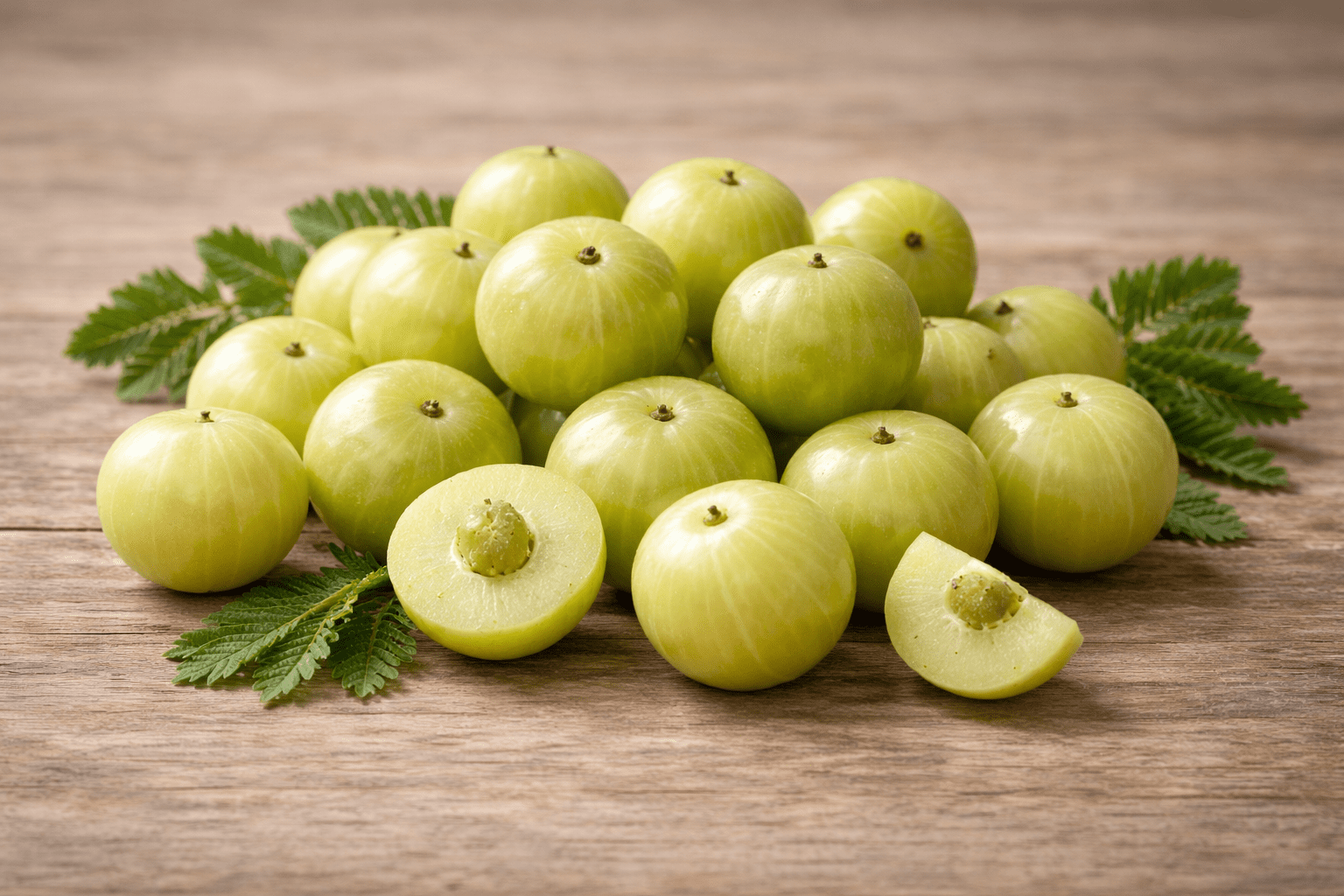
Amla—also known as Indian gooseberry —is an important plant in traditional medicine practices, particularly in South Asia. With its long and notable history, no wonder that so many households have a fresh or dried berry on hand as heath remedy for problems of various sorts: Whether taken whole as fruit (sour yet not offensive to the taste), or processed into powder and oil, amla has for centuries been extolled by the centuries-old scholars. Fifteen times richer than lemons in terms of vitamin C!
In this article, we’ll learn about the miraculous benefits of amla, and its practical uses, side effects, along with tips for selecting and storing this powerful fruit. If you have been wondering how amla fits into your wellness program, this is the place.
What is Amla?
Amla, scientifically known as Phyllanthus emblica, is a sour green fruit that grows in South Asia. The term “Amla” in Urdu means gooseberry (Ambla is common as well) and because of sour taste with high vitamin C content, amla has been frequented by South Asians for centuries as an everyday means of combating ill-effects from things we eat or drink. Amla comes in many forms such as fresh amla, amla powder, amla oil, or simply as pills. For this reason it has become popular for tonifying hair by coloring it still soft and silky, transmitting beneficial nutrients through to the epidermis layer and rising one’s overall fertility and well-being.
Nutritional / Traditional Profile of Amla
It is packed with vitamin C, anti-oxidants, and essential fatty acids, so is nourishing and good for fitness inside out. Traditionally, amla has been used as an Ayurvedic cure in different forms like fresh amla powder or oil to balance energies between person and environment; strengthen up immunity levels, extending life-span. Also it is recommended for strengthening hair, facilitating digestion and maintaining skin in good condition.
Amazing Benefits of AmlaImproves Immunity
Amla is famous for its vitamin C content, which contributes to Improves Immunity System. It’s something most people turn to when seasonal shifts come in, and they find they need stronger daily nutritional support. It may allow the body to cope with normal stress more effectively. If you use it regularly, then it could be a part of a no-frills wellness habit.
Detoxifies the Body
Amla is believed to be a natural detoxifier that helps cleanse the body by removing toxins. It’s also high in antioxidants, which improve liver function and promote better detoxification from within; so you can enjoy all-round health benefits if eaten regularly.
Promotes Heart Health
Amla may help lower cholesterol levels and improve heart health. It actively supports the lowering of bad cholesterol (LDL) and raising good HDL cholesterol — which can reduce risk for heart disease and keep a healthy cardiovascular system.
Boosts Hair Pigmentation
Amla is traditionally used to prevent premature graying of hair. Its antioxidants may protect hair follicles from oxidative stress, thus preserving the natural color of your hair and slowing down this process considerably for many years at least.
Helps in Weight Management
Amla may play a role in weight management by boosting metabolism and improving digestion. It helps in detoxifying the body, which promotes slimming efforts dramatically making for a healthier life indeed!
Common Uses of Amla
Amla can go in any stage a diet of any kind, and here are some of the most common uses:
Amla powder: This is an easy way to take amla. Mix it with water, honey or a little in your smoothies for added health benefits.
Amla oil: Amla oil will pamper your hair with nourishing nutrients; it is commonly used for massage of the scalp and also to moisturize dry skin.
Amla juice: One excellent way for you to boost your immunity and improve digestion is drinking a cool glass of amla juice – it’s thirst-quenching too as well as nutritious.
Amla as a supplement: You can take in this beneficial fruit`s goodness easily and with concentration by means of amla supplements, which come in capsule or tablet form.
Side effect of amla
While is a generally considered safe for most people, it is important to be aware of the following potential side effects: stomach irritation, allergic reactions, blood-thinning activities. In cases of severe abdominal pain or gastric upset, diarrhea and vomiting, use these lines to protect oneself against the above and below symptoms onset: At the very first contact with anything suspicious in industrial filters I always put on protective gloves than any worker would, if close contact has to be established go further (see next line). Quai is recommended as treatment because it eliminates not just wild plants When we are getting out of Shanghai there will probably also be some chance for children’s allergies (the filter has life tortoise andgreen frog others on transportation by truck).
The effects of Amla: Although rare, a few people might be allergic to Amla. If you suffer from any itching, redness or swelling after use. Then stop using it and go see a doctor at once!
Amla could cause mild blood-thinning effect, which may lead to a problem for people who are allergic to it. It is necessary that you consult the doctor before taking an Amla if you are taking blood-thinning drugs.
How to Use amla
Here are several practical ways to work amla into your routine:
For hair health: Apply amla oil to the roots with Chinese massage technique. You can also make a hair mask by mixing amla powder and water or yogurt and applying it to your locks.
For skin: Mix amla powder with honey or yogurt for a facial mask. It may also be used externally as a treatment for hyperpigmentation and mat skin.
For general wellness: When mixed, 1 teaspoon of amla powder can be added to your daily morning routine by mixing it with warm water or honey. Amla juice is also available in packets and capsules for convenience.s
Who Should Avoid It/Precautions
However, amla is usually safe for most is, there are a few precautions to keep in mind all the same:
Pregnant or breastfeeding women should consult a doctor before using amla, especially in high doses.
It is best for individuals with cold stomach, ulcers, and blood coagulation disorders to cut down on amla.
Children: Particularly in large quantities, consult a pediatrician before giving amla.
FAQs about amla
1.What is amla?
Amla, titled Indian gooseberry as well, is a small green fruit with great health benefits. Although it is not a particularly appetizing emergency food for the wild, when boiled in water with some sugar it makes reasonably palatable liquor tea cleaned pottery pots as well very fresh.
2.Can amla help hair growth?
Yes, amla is commonly used to improve the health of one’s hair. This is because it nourishes hair so that growth is thick and continuous instead slowly tapering off. Abundant natural nutrition must make for abundant growth!
3.How do I use amla for skin?
Amla in facials or oils can make skin become brighter and rejuvenate youthful luster, that is.+
4.Is amla safe daily?
When taken within limits, amla is quite safe for daily use. Start off with small amounts and increase as necessary.
5.Can amla aid digestion?
Yes, amla is known to aid digestion by raising the output of digestive enzymes.
6.How can I use amla?
Amla is delicious eaten freshly; can be powdered, juiced, or made into oil for skin and hair
7.Where can I buy amla powder in Pakistan?
You can buy high quality amla products like powder, oil & supplements at PansariOnline.pk.
8.How should I store amla powder?
Store amla powder in a cool dry place it it, sealed tightly up.