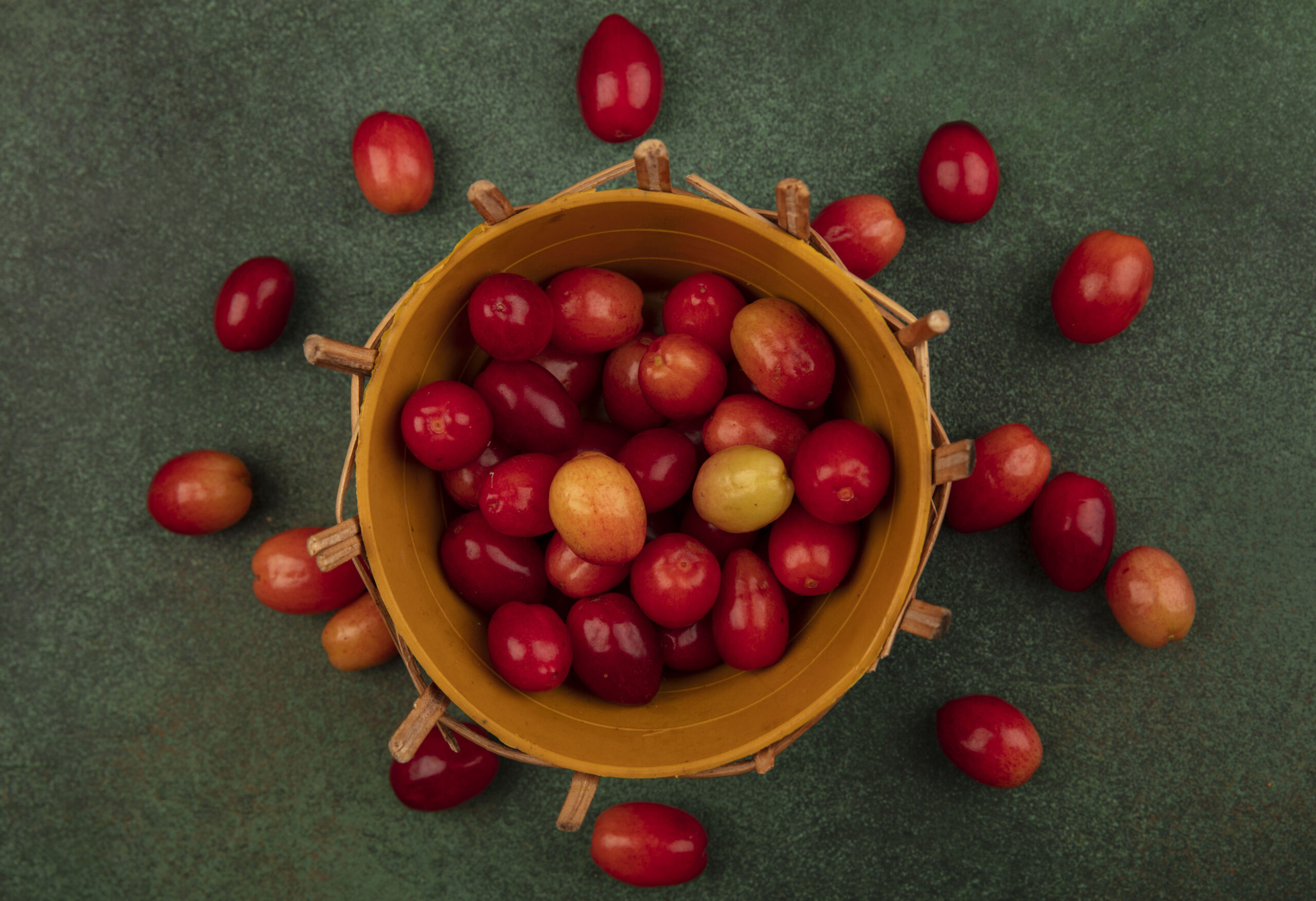
Unaab, in natural herbal ingredients, is one of the most widely known and accepted among the Pakistani people. Some became familiar with it through pansari shops, some from herbal-tea blends, and some from the traditional home remedy for a sore throat in winter. Unaab is more generally referred to as jujube, a small fruit that can be eaten on its own or used in traditional medicine.
Because of this, in the event of side effects from taking a medicine that contains unaab them, people are eager to understand how best to use it themselves and this is never an unreasonably difficult topic. Herbal products can only be beneficial if you understand them well enough yourself to use them sensibly.” According to research, Unaab plants have been used traditionally all over the world for centuries.
What Is Unaab?
Unaab, (عناب)also written as unnab or anab, generally refers to jujube or Ziziphus jujuba. It is described as a sweet reddish fruit in Urdu, used in many herb or traditional preparations. Jujube is the English word for it, and in some places it is also known as Chinese date or red date.
The small fruit itself can be eaten fresh, but in practice, it’s dried. For this reason, a lot of people in Pakistan look at unaab as a herbal dry fruit instead of something ripe and ready. In addition to its use in Asian herbal health care (such as Unani, Ayurveda, Chinese medicine herbal practice), jujube is also used for nutrition, calm throat, and, of course, to comfort the tummy.
For Southeast Asian herbal users, unaab is part of the ingredients used in making an assortment of products, including sharbat, teas and decoctions. It can be found in treatments of the throat and cough formulation, which is why it’s still appreciated by pansaris there.
Traditional and Modern Nutritional Analysis of Unaab
One reason Unaab has a long history is in the intersection of food and herb traditions. It’s more than tradition, but it adds to nutrition as well. Modern nutrition sources claim jujube brings fiber, potassium, iron, calcium, and vitamin C. Research reviews stress-out plant compounds such as flavonoids, polysaccharides, phenols, and saponins.
Fresh jujube is lower in calories and hydrating, while the dried form of unaab becomes more concentrated in taste and sweetness. For this reason, unaab might find its way into a person’s herb pantry, but it should be used judiciously when consumed–especially by one who is worried about sugar intake.
By tradition, unaab is not looked upon harshly; on the contrary, it is considered a gently soothing ingredient. In most systems of traditional herb knowledge, people say it is good for contentment and calm, helps the digestion, and on those dry winter nights when one has a little bit of a cold-y throat.
10 Benefits of Unaab
1. Unaab may help your throat feel better:
One of unaab’ s traditional uses has been to treat a dry throat, cough, and irritation of the throat. In Unani medicine, like Sharbat-e-Unnab, it has been used as a soothing ingredient for chests and throats. It is not a medical treatment, but when your throat feels raw or dry, you can use this as part of your herbal routine. It may not be a bad idea to include about half a cup at a time in between drinks with breakfast in the natural medicine of your choice.
2. Unaab may help you stay calm and sleep better:
Another everyday job for unaab is that it helps to keep: A warm drink from jujube tea or even this light herbal cocktail at night can make a very good soothing to bedtime. Medical sources say that modern research is investigating the sleep-enhancing, tranquilizing effects of jujube fruit or seed compounds.
3. Unaab might help with digestion
Unaab may help with digestive problems. Some old texts think that jujube is good for the stomach and digestion, while newer nutrition sources talk about the plentiful fiber in it. This makes Unaab well-suited for people who want plant-based assistance in their daily lives that is easier to absorb. It will perhaps be especially useful if you have it in small amounts as part of tea, water-soaked fruit, or a basic herbal mix.
4. Unaab has natural antioxidants in it:
There are natural antioxidants in Unaab Jujube that contain phenolic compounds, flavonoids, and various other plant chemicals which battle free radicals. Antioxidants are necessary because they help the body cope with the everyday stress of oxidation that comes from life, food, and the environment. Unaab is not a wonder drug, but it can provide useful plant-based nutrients to a balanced diet.
5. Unaab may help with seasonal health:
which is used in drinks, warms up, and herbal blends that probably will quiet you down. Tradition has it that people have always used it to soothe their throats, help digestion, and give general nutrition. And when these elements are even more important, such as in changing weather, or if you are debilitated, you will often add to it a season cupboard full of herbs
6th. Unaab can aid you in feeding your stomach comfortably
Some initial studies in animals suggest that jujube might protect the gastrointestinal tract lining and bring some peace to your digestive system. There is no data yet from human research showing that it does work. But as an old-fashioned fruit, it would still fit well into a simpler, food-first health regimen that might be particularly needed when one’s digestion is slow, and they require more gentle fiber-rich foods
7th. Unaab could act as rice for your stomach every day
People value the jujube not only as an herb, but also as a kind of dry fruit which is good for you. It contains varieties of sugars, minerals, and plant compounds that might enable people to select a more common smoked food. Properly employed, it can be that, besides snacks and herbal blends, it also goes into tea without making one feel too full.
8. Unaab may support skin wellness from within
All right, let’s talk about how Unaab helps keep skin healthy. Jujube extracts are rich in anti-oxidant and anti-inflammatory properties if you check them with the literature. That’s one reason why people always speak so passionately about jujubes and skin health. To tell the truth, this is not necessarily attributable purely to unaab. But a fruit like unaab that is rich in nutrition and antioxidants may fit into healthy daily routines, which promote general good health over time and thus also help the skin.
9. For Heart Health:
Reports have shown that Jujube is high in both potassium and antioxidants, and thus good for our health. Some reviews speak of its possibly benefiting the heart, but it constitutes just a drop in a healthy diet. It cannot replace care by a doctor or a clinical cure, but perhaps in your pantry, you might pick it instead of many highly processed foods.
10. It’s Easy to Add. You can drink it as a tea:
Fry it or soak it overnight in water and honey, or even mix it in with other ingredients for making traditional dishes. Many herbs are hard for beginners, but unaab is usually easy to understand and easy to fit into a basic herbal routine at home.
Common Uses of Unaab:
Unaab is commonly found in herbal tea, decoctions, and soothing drinks. Typically, it is used in conjunction with other ingredients for throat and chest comfort. It is also used in such preparations as Sharbat-e-Unnab and on some traditions, calming or digestive herbal blends.
Some people place Unaab — with the water removed or not– every day in a little warm water to be used for gentle home use. Other people scantily boil the root in water for a tiny taste of an herbal drink that they sip down. Fresh or dried jujube fruit can also be eaten as a fruit used in decoction, and added to fruit preparations went without fruits.
It’s easier to get started with sweet unaab than bitter herbs, so it’s convenient for folks who want a more user-friendly traditional ingredient for preventive health.
Side Effects of Unaab:
In normal food amounts, unaab is usually well tolerated by most people. But that doesn’t mean it is suitable for everyone. Since dried unaab is sweeter and more concentrated compared to fresh fruit, overuse may not be suitable for anyone trying to watch sugar intake carefully.
Some sources also note that zizyphus may cause sleepiness or have an effect on blood sugar. That means people using sedatives, sleep-support products, or diabetes-related medication should be extra cautious. If one takes too much at once, perhaps uncommon digestive discomfort or sensitivity might occur as well,
The best way is to treat unaab like a supportive traditional ingredient, rather than something to be overused. Or if you have a medical condition, take regular medicines, or tend to react easily to herbs or dried fruits, then it is wise to consult a qualified healthcare professional first.
How to Use unaab
A simple beginner method is to wash 3 to 5 dried, uncooked pieces and steep them in hot water to make a mild tea. Some people first lightly crush the fruit so the water takes on more flavor. This is one of the easiest ways to fit unaab into a daily or seasonal routine.
Another way to find favor with people is to soak unaab overnight and use the softened fruit the following day. This can make it easier to chew and may feel more soothing for some. Others put it on very gentle warmth with herbs used traditionally in India for the throat, such as mulethi or sapistan, though the blends should be simple and sensible still.
If you are new to unuab, start with smaller quantities and see how it goes. It is usually better to gradually increase the amount of hot water.”Use less dose as needed”: If: a You are using unaab or any other strong-flavored herb in your normal diet, then do so cautiously, as this type of calcination without advice can lead to health problems.b) It doesn’t specify precautions on dosage everywhere, but food-like takes a step towards being safer in everyday use.
Who Should Avoid It or Act With Extreme Caution?
Pregnant women, nursing mothers, people with a chronic illness having been under medical care for at least the past 9 months, and regular users of prescription drugs all need to watch out for their systems. Menstrual pain will gradually subside when combined with healthy interventions like herbal medicine. Published dosing information is limited, and some sources note possible effects on drowsiness and blood sugar.
Children, older adults who are already taking multiple medications, and anyone with proven allergic reactions to fruits or herbs should also be cautious. If unuab is being used as more than just the occasional food ingredient or additive, then professional advice is much better. Buying and Storage Tips
Conclusion:
Unaab is a crop, but at the same time, it is an important and simple traditional food whose possible nutritional and health functions are quite rich and varied. It is commonly linked with throat comfort, calmness, digestion, and gentle nourishment, while some modern reports also talk of fibers, antioxidants, and some useful plant compounds. If you approach unaab in the right way, it seems more like a herb or fruit.” You will take the nearest source entirely unconditionally, getting clean and high-quality unaab may be a good helper for a traditional way of wellness cooking. With moderate amounts of it used We have reason to believe that this will cause, some time later, an effect on people’s diets if there is no improvement.
FAQs about Unaab
What is unaab in English?
In English, unaab is usually called the jujube. It refers to Ziziphus jujuba’s fruit, known locally in some places as red date or Chinese date.
Is unaab the same as ber?
Unaab is closely related to ber in the local name, but the naming may differ from area to area and tradition. In the herbal scene, unaab usually refers to jujube in dried medicinal form.
What are the main unaab benefits?
The better known unaab benefits include giving extra comfort when one has a bit of a sore throat; making peace to people’s minds who are a little troubled in this way_ digestion, and gentle nourishment. Also, it contains such substances such as potassium and vitamin C, as well as antioxidants: the stuff that helps fight off radiation from electrons outside our bodies.
Can Unaab be used for cough?
Traditionally, the answer is yes. Unaab has long been utilized in herbal preparations for a dry cough, sore throat, and irritation of the chest, particularly in Unani-style formulas and soothing drinks.
Is Unaab good before sleep?
Some traditional and early modern sources say jujube may help with calming and sleeping. It may be suitable for an evening tea round, however, it should never replace proper medical care for continual sleep problems.
How to Make Tea of Unlab?
Wash a few dried pieces of unaab and steep them in hot water. Some individuals even cook them gently to produce a stronger drink, or they are combined with other conventional herbs for a soothing blend.
Can diabetic patients use Unaab?
They should be cautious, especially with dried unaab. The sugar becomes denser with dry fruit. Some sources also mention potential effects on blood sugar, so seeking medical advice is a good idea.
How do you handle reactions from unaab?
In moderate quantities, unaab is normally tolerated by people, but you may yet run into digestive distress, drowsiness, or sensitivity. Overuse is never advisable, especially if drugs are used at the same time.
How does Unaab preserve itself in dried form?
Put it in a sealable container or bag that is enclosed entirely in a cool, dark, dry location. Maureen Ashby strongly suggests that refrigeration is an intelligent choice for better longevity in humid climates.